GHRP-2 Acetate

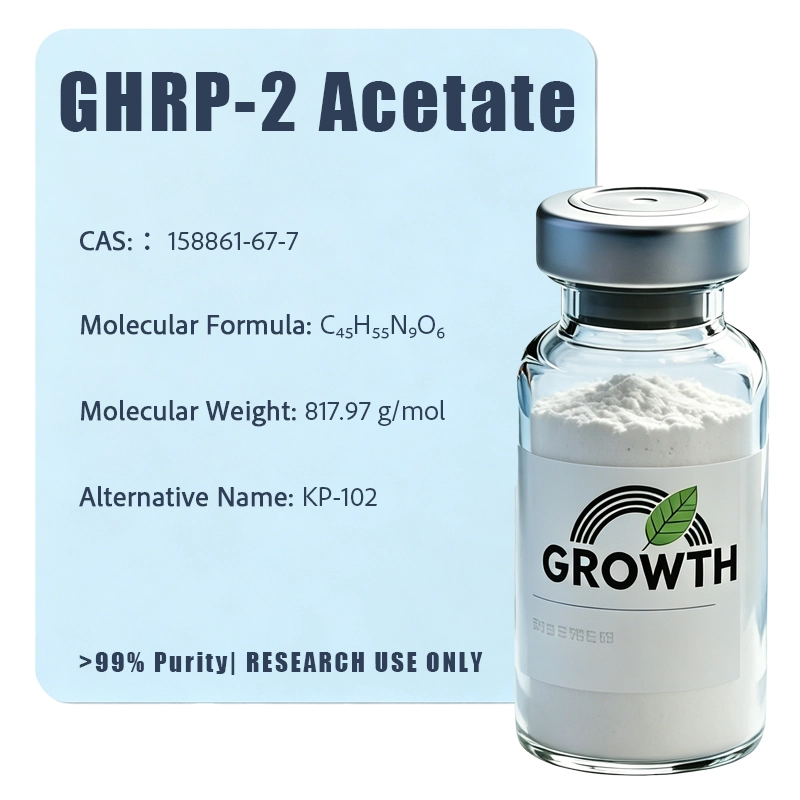
GHRP-2 Acetate is a synthetic hexapeptide growth hormone secretagogue (GHS), acting as a potent agonist of the GHS-R1a receptor. It is supplied as a white lyophilized acetate salt (CAS: 158861-67-7), with a 6-amino-acid sequence and molecular weight of 817.98 g/mol.

5mg*10vials $41 15mg*10vials $71
10mg*10vials $52


Product Information

What is GHRP‑2 Acetate?

 
GHRP‑2 Acetate (Growth Hormone Releasing Peptide‑2 Acetate; also known as Pralmorelin, KP‑109) is a synthetic hexapeptide growth hormone secretagogue (GHS) and a potent, selective agonist of the growth hormone secretagogue receptor type 1a (GHS‑R1a).
 
  • Sequence: D-Ala-D-2-Nal-Ala-Trp-D-Phe-Lys-NH₂
  • CAS Number: 158861-67-7
  • Molecular Formula: C₄₅H₅₅N₉O₆ · C₂H₄O₂
  • Molecular Weight: 817.98 (free peptide); ~878 as acetate salt
  • Form: White lyophilized peptide powder
  • Half‑life: ~20–30 minutes
  • Pharmacological class: Ghrelin mimetic / GH secretagogue
 
It is structurally distinct from GHRH and acts independently to strongly stimulate pulsatile growth hormone (GH) secretion from the anterior pituitary. It is not an endogenous human peptide and is used primarily for preclinical research and diagnostic testing.
 

Mechanism of Action

 
  1. GHS‑R1a Receptor ActivationGHRP‑2 binds selectively to GHS‑R1a receptors in the hypothalamus and pituitary gland, activating the Gq/PLC/IP3 signaling pathway, which increases intracellular calcium and triggers GH vesicle exocytosis.

  2. Strong, Pulsatile GH ReleaseIt induces 2–4× elevation in circulating GH within 30–60 minutes, creating sharp, physiological‑like pulses. Unlike GHRH, it acts independently of somatostatin tone.

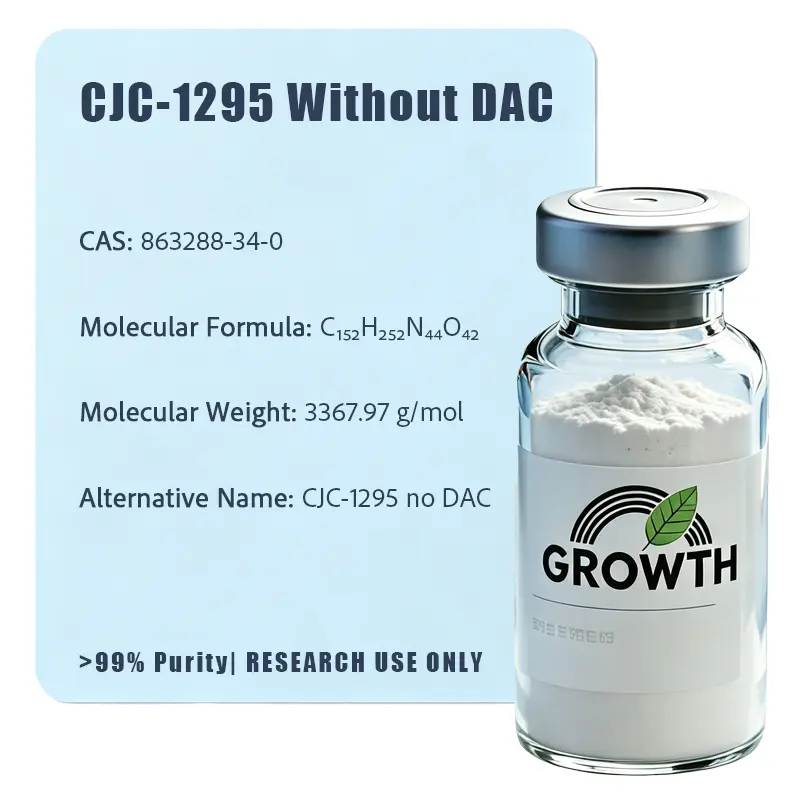
  3. Synergy with GHRH (e.g., CJC‑1295 No DAC)GHRP‑2 and GHRH analogs act through distinct, complementary pathways, producing a supra‑additive GH release significantly greater than either peptide alone.

    • Enhanced muscle protein synthesis
    • Reduced proteolysis (anti‑catabolic effect)
    • Improved connective tissue repair
    • Bone mineralization

      Hepatic IGF‑1 ProductionIncreased GH stimulates the liver to secrete IGF‑1, which mediates:

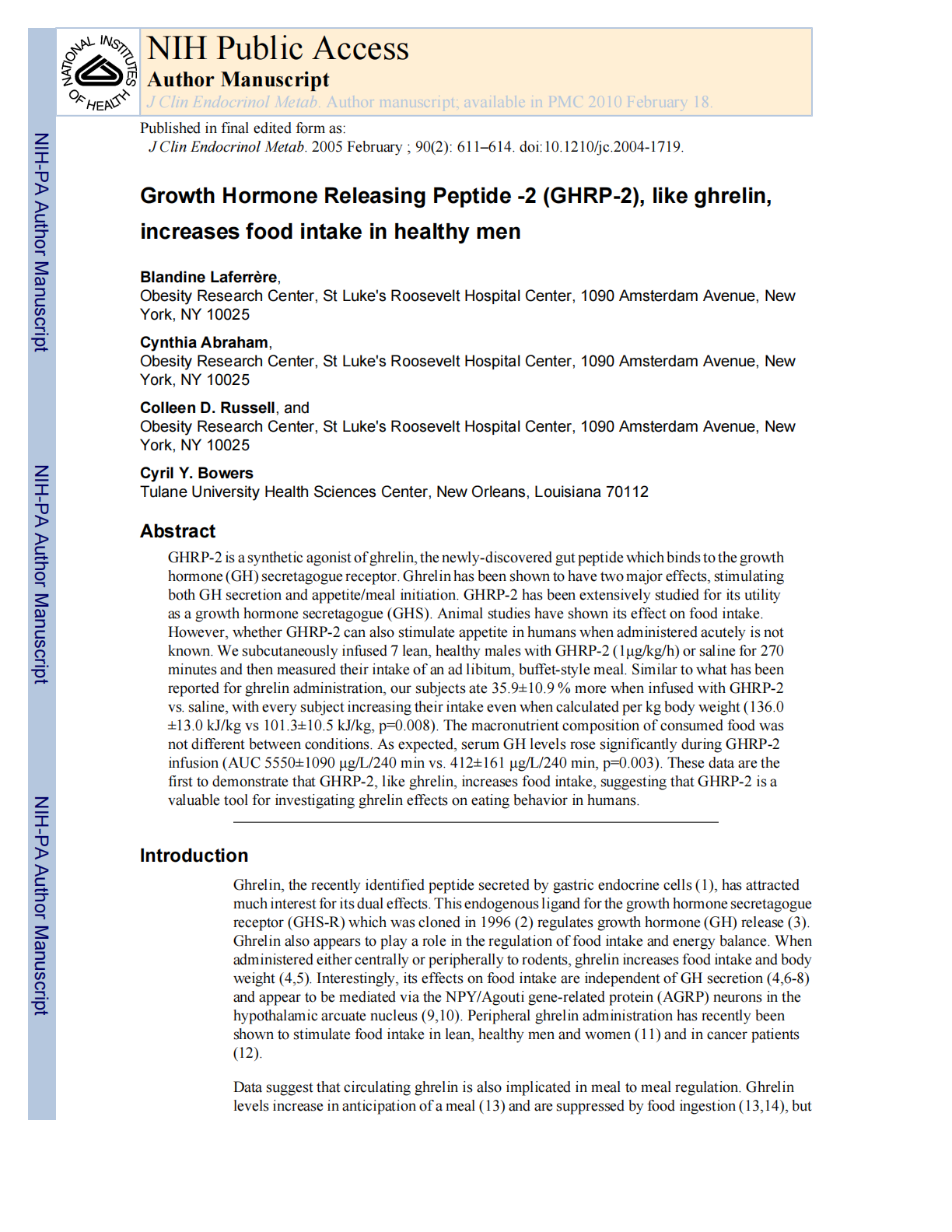
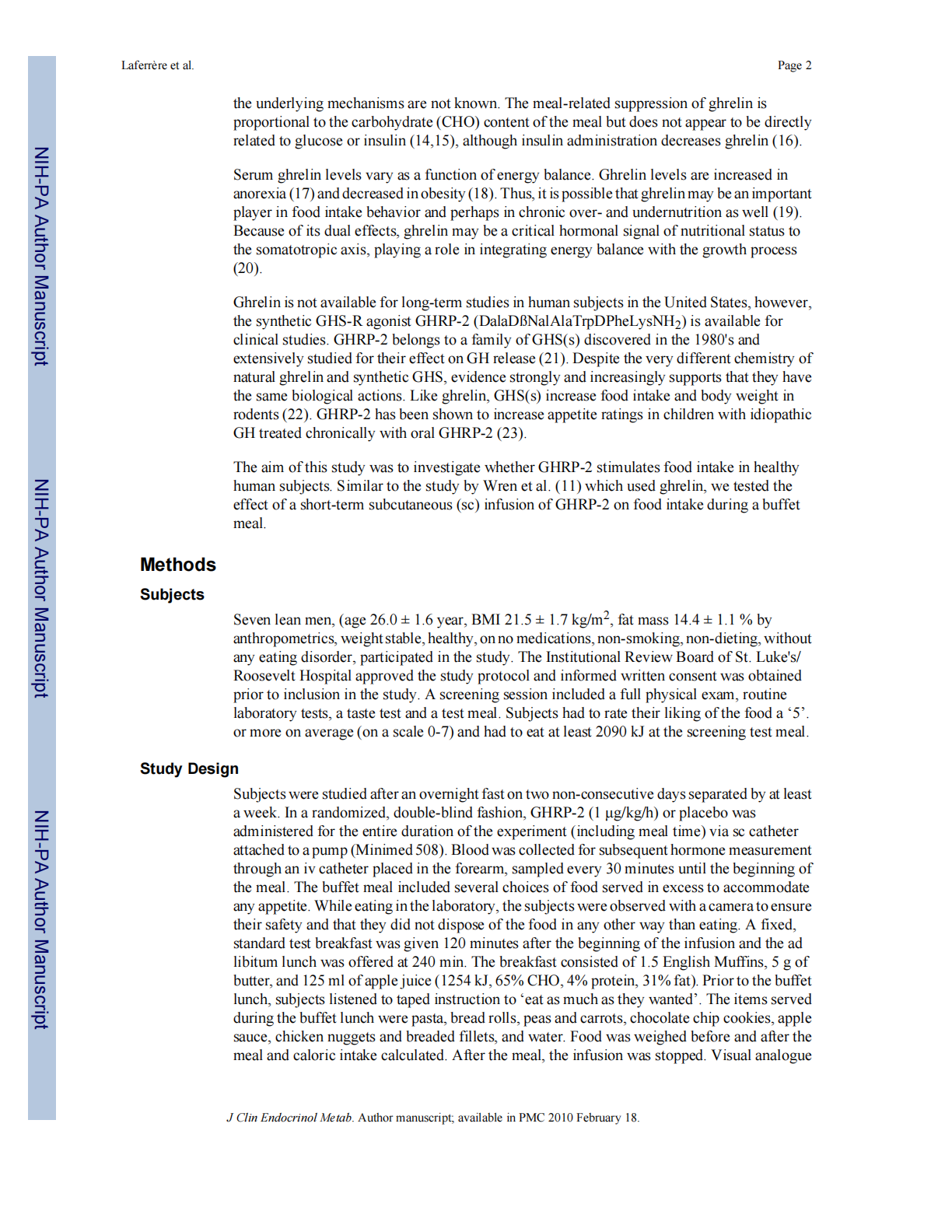
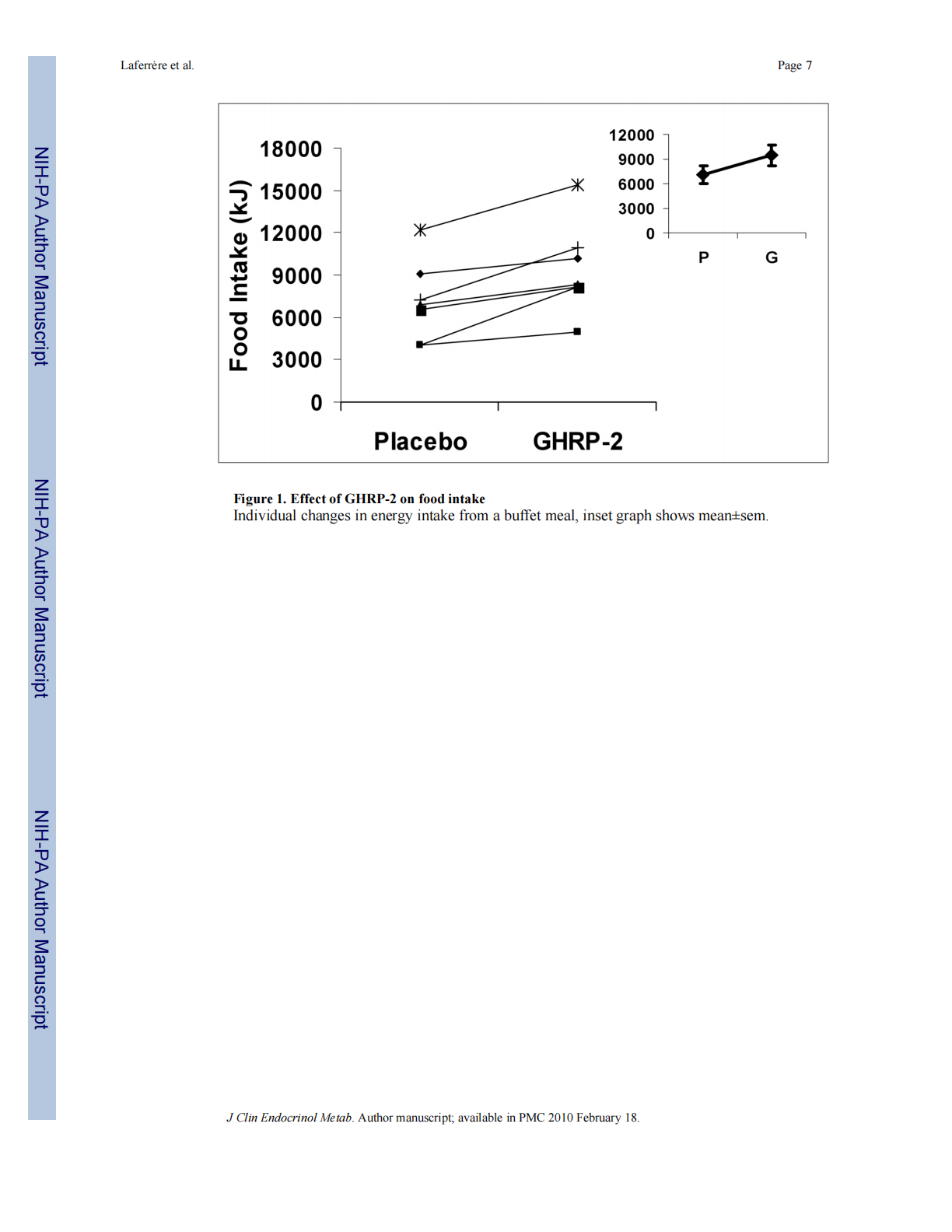
  4. Central Orexigenic EffectAs a ghrelin mimetic, GHRP‑2 activates hypothalamic pathways to increase appetite and food intake, supporting anabolic and weight‑gain effects.

  5. Mild Neuroendocrine EffectsMay slightly increase prolactin and cortisol at high doses, though significantly less than other GHSs such as hexarelin.

Important Warnings & Safety Considerations


Contraindications

 
  • Known hypersensitivity to GHRP‑2 or acetate excipients
  • Active or recurrent malignant disease (GH/IGF‑1 may stimulate tumor growth)
  • Pregnancy, lactation, or pediatric use outside controlled diagnostic protocols
  • Severe hepatic or renal impairment
  • Benign prostatic hyperplasia (clinical caution)
 

Precautions

 
  • Hypoglycemia risk: May lower blood glucose, especially in diabetics or when combined with insulin / oral hypoglycemics.
  • Prolactin & cortisol elevation: Mild and transient at standard doses; clinically significant only at supraphysiological levels.
  • Fluid retention: Mild edema or joint stiffness may occur at high doses.
  • Cardiovascular effects: Transient tachycardia or hypotension reported rarely.

Associated Products

Related Experimental Studies