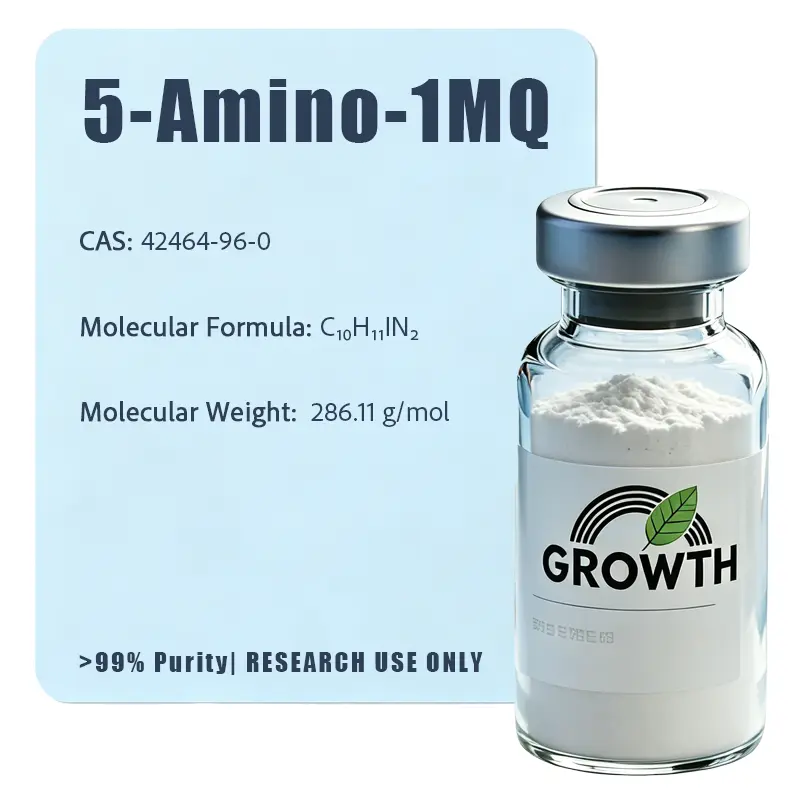
5-Amino-1MQ (synonyms: NNMTi; 5-Amino-1-methylquinolin-1-ium) is a potent, membrane-permeable small-molecule inhibitor of nicotinamide N-methyltransferase (NNMT). It is not a peptide but a synthetic quinolinium derivative with a well-characterized mechanism of enzyme inhibition.
Target User Populations (Research-Supported & Preclinical Indications)
5-Amino-1MQ is investigational and not approved for clinical use by the FDA, EMA, or other regulators. It is used in preclinical research and by those focused on metabolic health and longevity.
Adults with Metabolic Dysregulation
Overweight/obesity, visceral fat, and abnormal lipid metabolism
Prediabetes, insulin resistance, and elevated HOMA-IR
Metabolic syndrome with central obesity and chronic low-grade inflammation
Aging Populations with Mitochondrial Decline
Adults 45+ with age-related mitochondrial dysfunction, low endurance, and muscle weakness
Longevity enthusiasts supporting NAD⁺, sirtuin activity, and cellular anti-aging resilience
Individuals with Reduced Energy Expenditure
Sedentary people with low basal metabolic rate and fat-storing tendencies
Athletes and bodybuilders seeking improved fat oxidation, lean mass retention, and performance
Research-Specific Groups
Researchers studying NNMT inhibition in obesity, diabetes, neurodegeneration, and aging
Those testing combinations with metabolic peptides (e.g., AOD‑9604, semaglutide) for body recomposition
Benefits for Healthy Adults (Preclinical & Research-Supported)
1. Metabolic Improvement & Body Composition
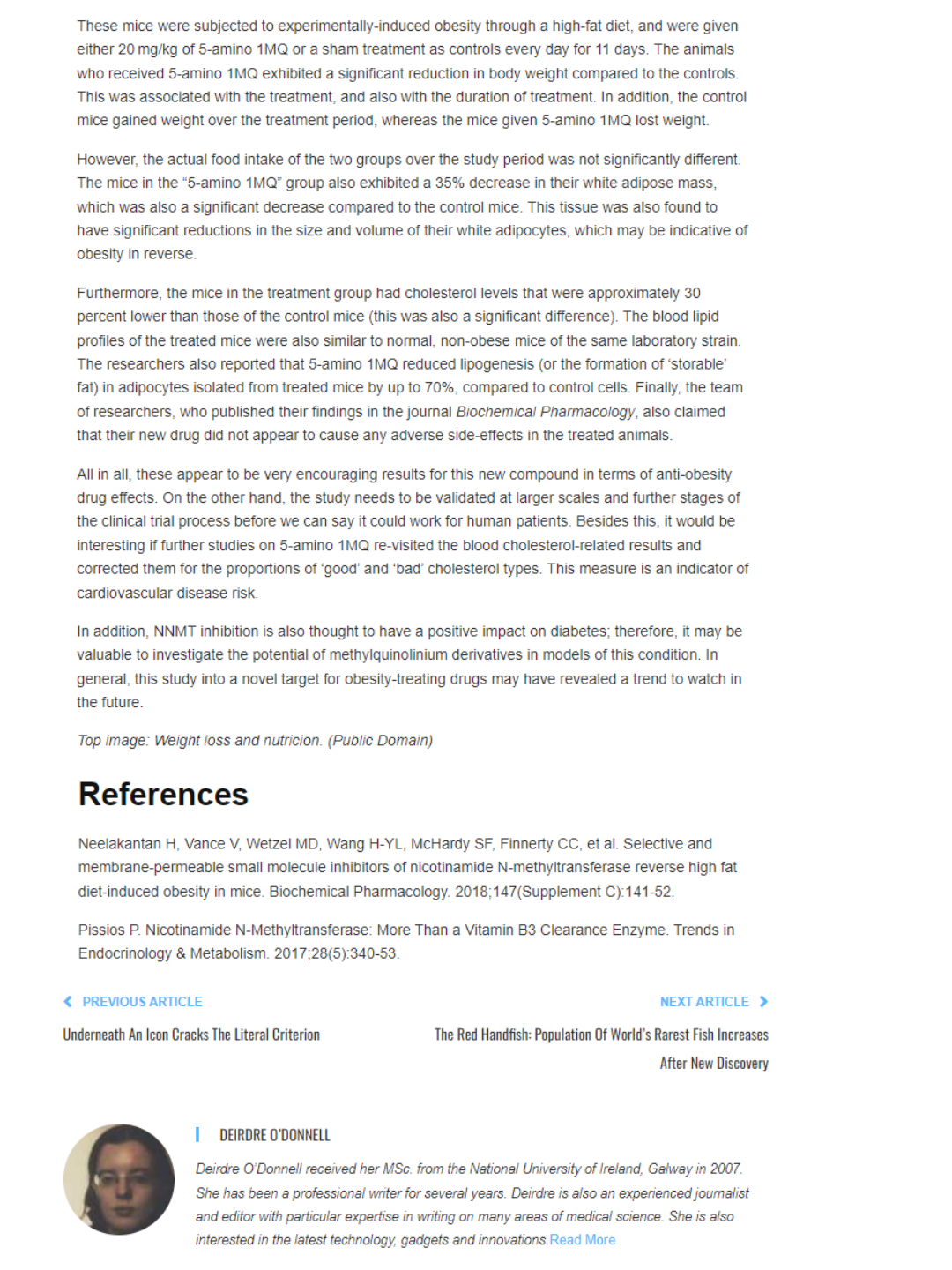
Fat Loss Without Calorie Restriction: Reduces adiposity and visceral fat mass in DIO mice, independent of food intake.