Blog
Anti-Aging & Vitality Peptides: Cellular Health & Longevity


Aging is a complex, multifactorial process driven by cellular damage, mitochondrial dysfunction, telomere shortening, oxidative stress, and dysregulated cellular signaling. As scientific research advances, the focus on anti-aging interventions has shifted from surface-level solutions to targeted, mechanism-based approaches—with peptides and bioactive molecules emerging as powerful tools to preserve vitality, slow cellular aging, and support healthy longevity. Unlike conventional anti-aging therapies that often address symptoms, the compounds in the Anti-Aging & Vitality category work at the molecular level to repair, protect, and regenerate cells, restoring physiological function and enhancing overall vitality.
This article explores the most researched peptides and molecules for anti-aging and vitality enhancement, dissecting their mechanisms of action, preclinical and clinical evidence, and unique roles in supporting cellular health, cognitive function, stress resilience, and systemic vitality. From telomere protection and mitochondrial repair to neuroprotection and tissue regeneration, these compounds represent a new frontier in anti-aging science.
ACCESSORIES

Key Compounds for Anti-Aging & Vitality: Mechanisms, Evidence, and Applications
The Anti-Aging & Vitality category encompasses a diverse range of peptides and molecules, each targeting distinct pathways of aging. Below is a comprehensive analysis of their scientific basis, research findings, and potential applications in anti-aging research.
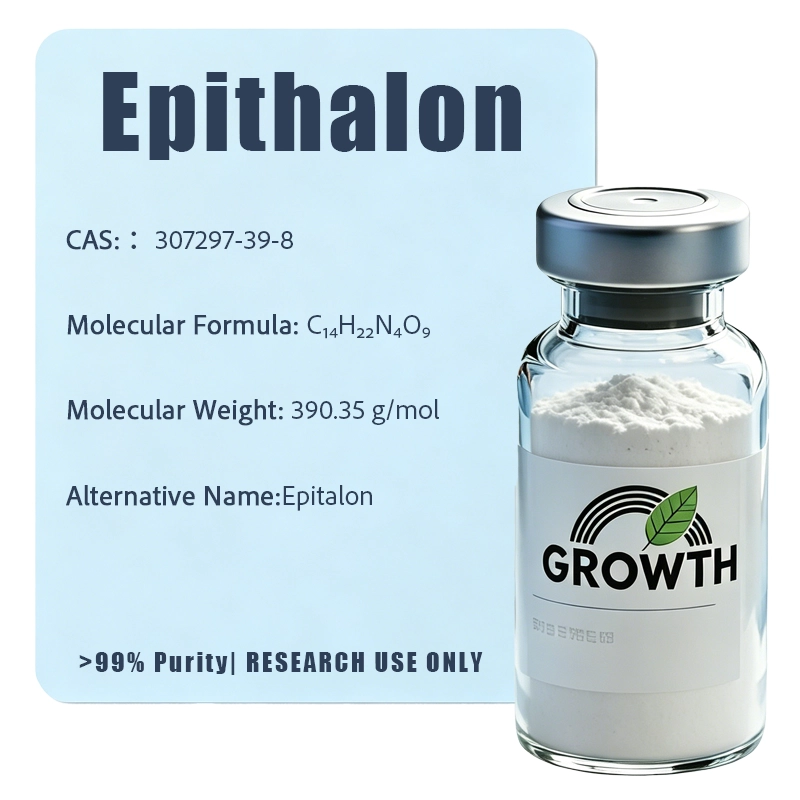
Epithalon
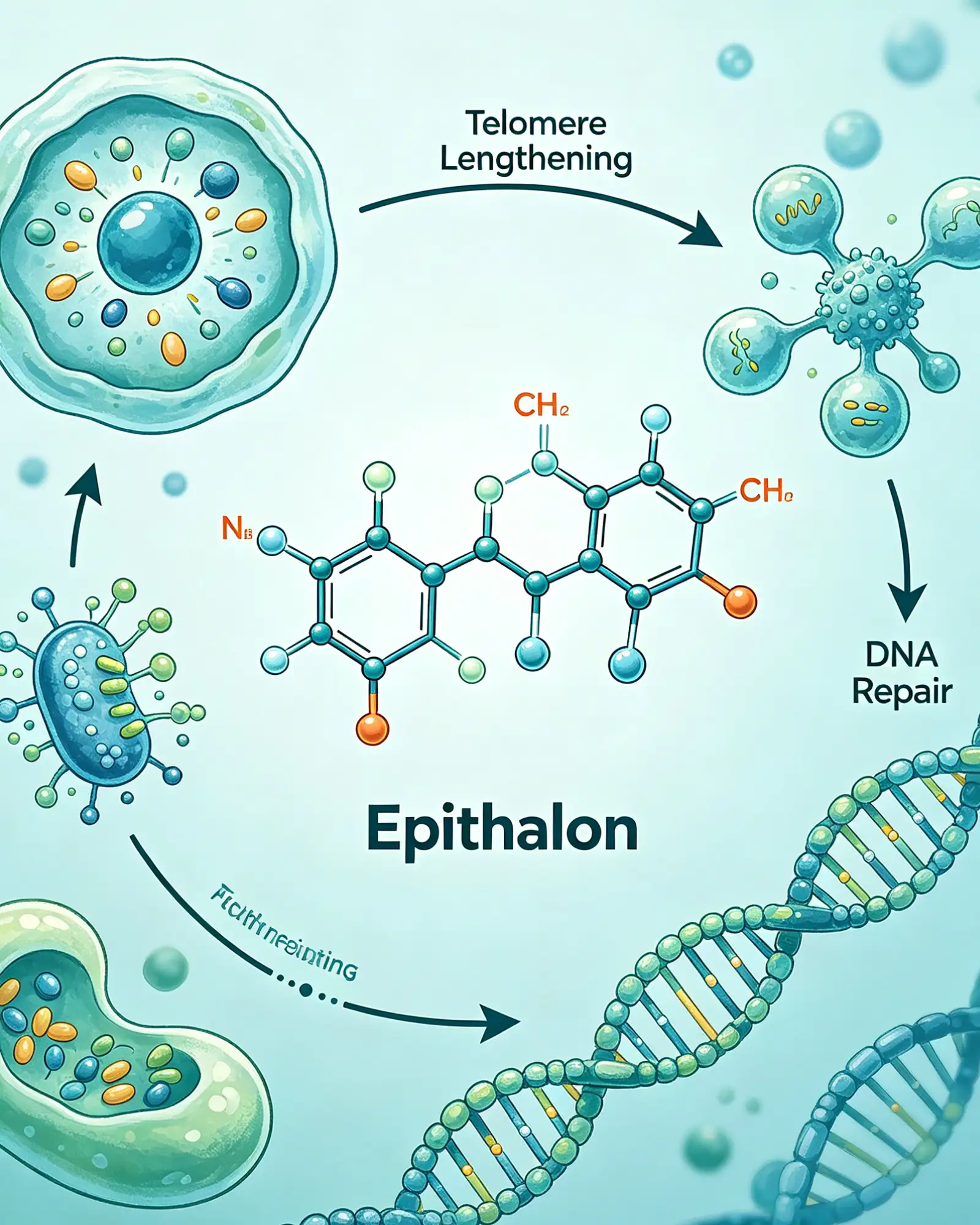
Epithalon is a synthetic tetrapeptide (sequence: Ala-Glu-Asp-Gly) derived from the pineal gland’s epithalamic peptide. It is primarily known for its ability to regulate telomere length—one of the most well-established biomarkers of aging. Telomeres, the protective caps at the ends of chromosomes, shorten with each cell division, eventually leading to cellular senescence and tissue dysfunction. Epithalon addresses this by activating telomerase, the enzyme responsible for maintaining and lengthening telomeres.
In preclinical studies, Epithalon administration increases telomerase activity, lengthens telomeres in somatic cells, and extends the lifespan of experimental animals by 10-20%. It also regulates the pineal gland’s production of melatonin, improving sleep quality—a critical factor in anti-aging and vitality. Additionally, Epithalon exhibits antioxidant and anti-inflammatory properties, reducing oxidative damage to cells and tissues. While human clinical data is limited, preliminary studies suggest it may improve physical endurance, cognitive function, and overall vitality in older individuals, making it a key peptide for telomere-based anti-aging research.
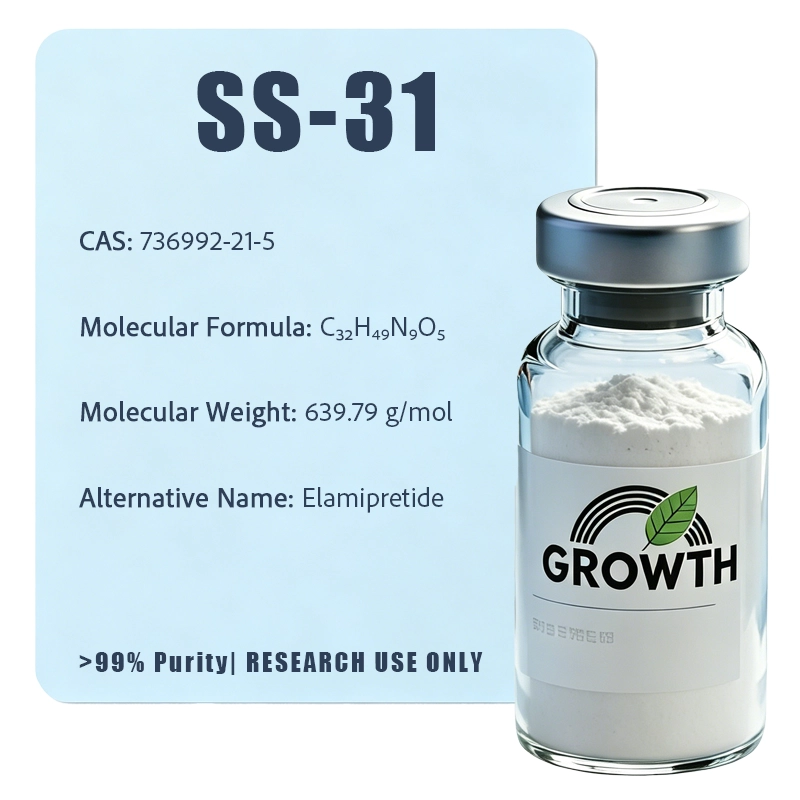
SS-31 (Elamipretide)
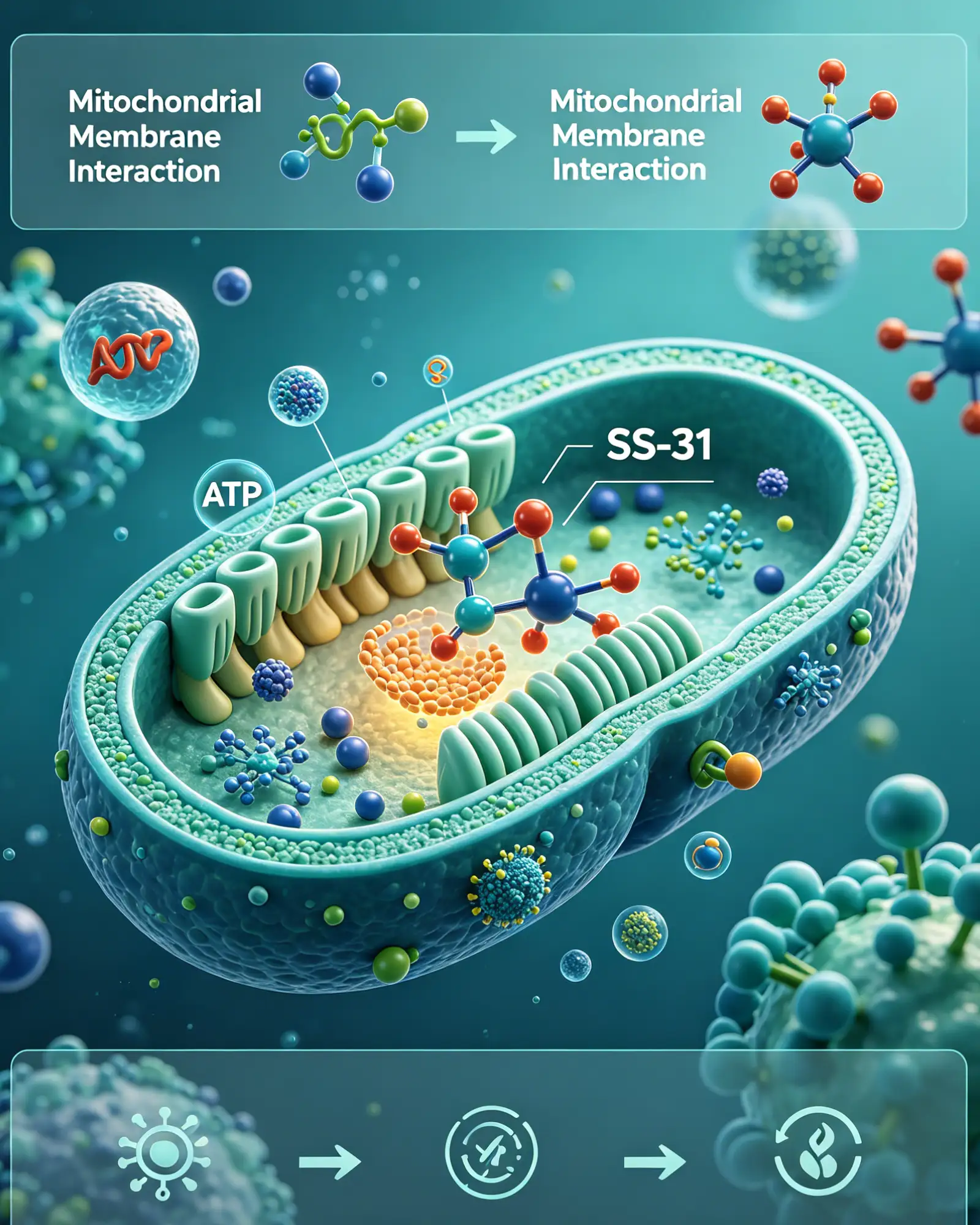
SS-31 (elamipretide) is a synthetic tetrapeptide (sequence: D-Arg-Dmt-Lys-Phe-NH2) specifically designed to target mitochondrial dysfunction—a core driver of aging and age-related diseases. Mitochondria, the cell’s powerhouses, decline in function with age, leading to reduced energy production, increased reactive oxygen species (ROS), and cellular damage. SS-31 penetrates the mitochondrial inner membrane, where it stabilizes cardiolipin—a critical lipid for mitochondrial structure and function—and reduces oxidative stress.
Preclinical studies show that SS-31 improves mitochondrial respiration, reduces ROS production, and protects mitochondria from damage in aging cells. It has been shown to reverse age-related declines in cognitive function, improve cardiac function, and extend lifespan in animal models. Clinical trials in humans with age-related conditions (e.g., heart failure, dry age-related macular degeneration) demonstrate its safety and efficacy in improving mitochondrial function and reducing disease severity. By restoring mitochondrial health, SS-31 enhances cellular energy production, reduces fatigue, and supports overall vitality—making it a key peptide for targeting mitochondrial aging.
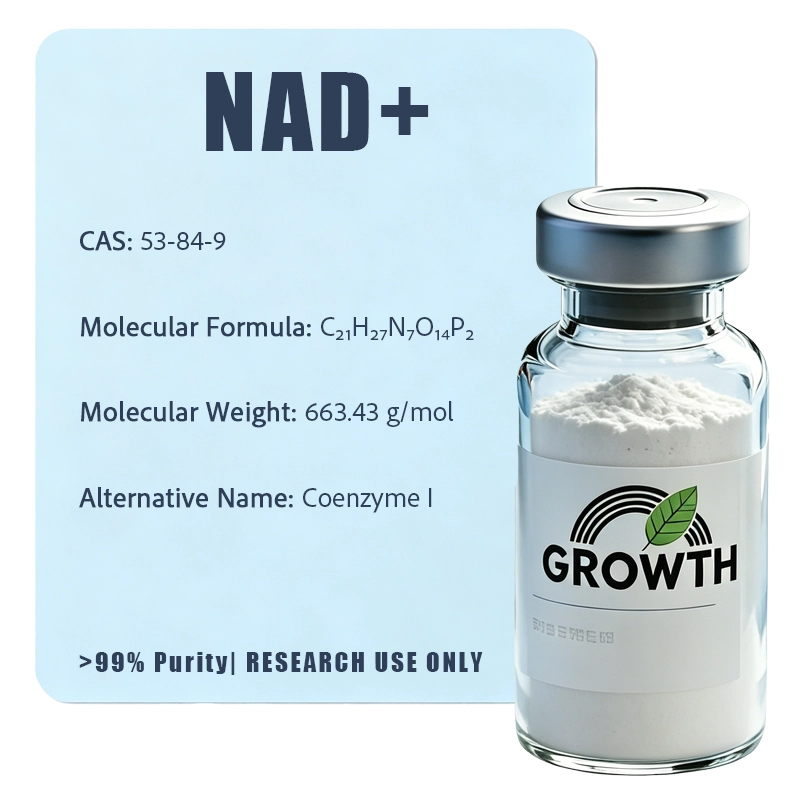
NAD+ (Nicotinamide Adenine Dinucleotide)
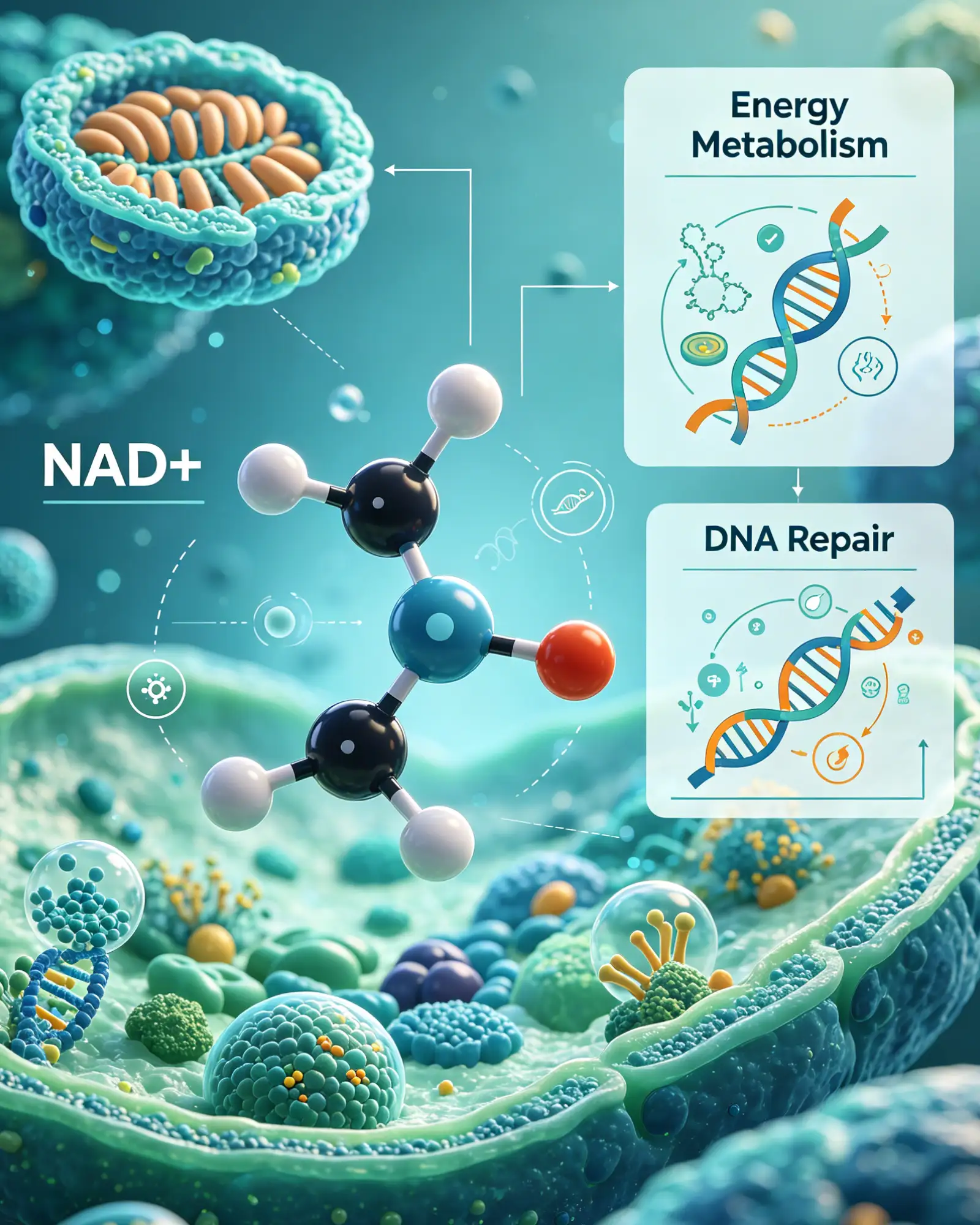
NAD+ is a critical coenzyme involved in hundreds of cellular processes, including energy metabolism, DNA repair, epigenetic regulation, and sirtuin activation—all of which decline with age. As we age, intracellular NAD+ levels decrease by up to 50% by middle age, contributing to mitochondrial dysfunction, impaired DNA repair, and accelerated cellular senescence. Restoring NAD+ levels has emerged as a foundational strategy for anti-aging and vitality enhancement.
Mechanistically, NAD+ serves as a substrate for sirtuins (SIRT1-SIRT7), a family of proteins that regulate cellular aging by promoting DNA repair, reducing oxidative stress, and enhancing mitochondrial biogenesis. It also plays a key role in ATP production, the cell’s energy currency, and supports the function of poly(ADP-ribose) polymerases (PARPs), enzymes critical for repairing DNA damage. Preclinical and clinical studies demonstrate that NAD+ precursors (e.g., NMN, NR) increase intracellular NAD+ levels, improve mitochondrial function, enhance cognitive performance, and extend lifespan in animal models. Human trials show promising results in reducing markers of cellular aging, improving insulin sensitivity, and enhancing physical and cognitive vitality in older adults.
GHK-Cu (Gly-His-Lys-Copper)
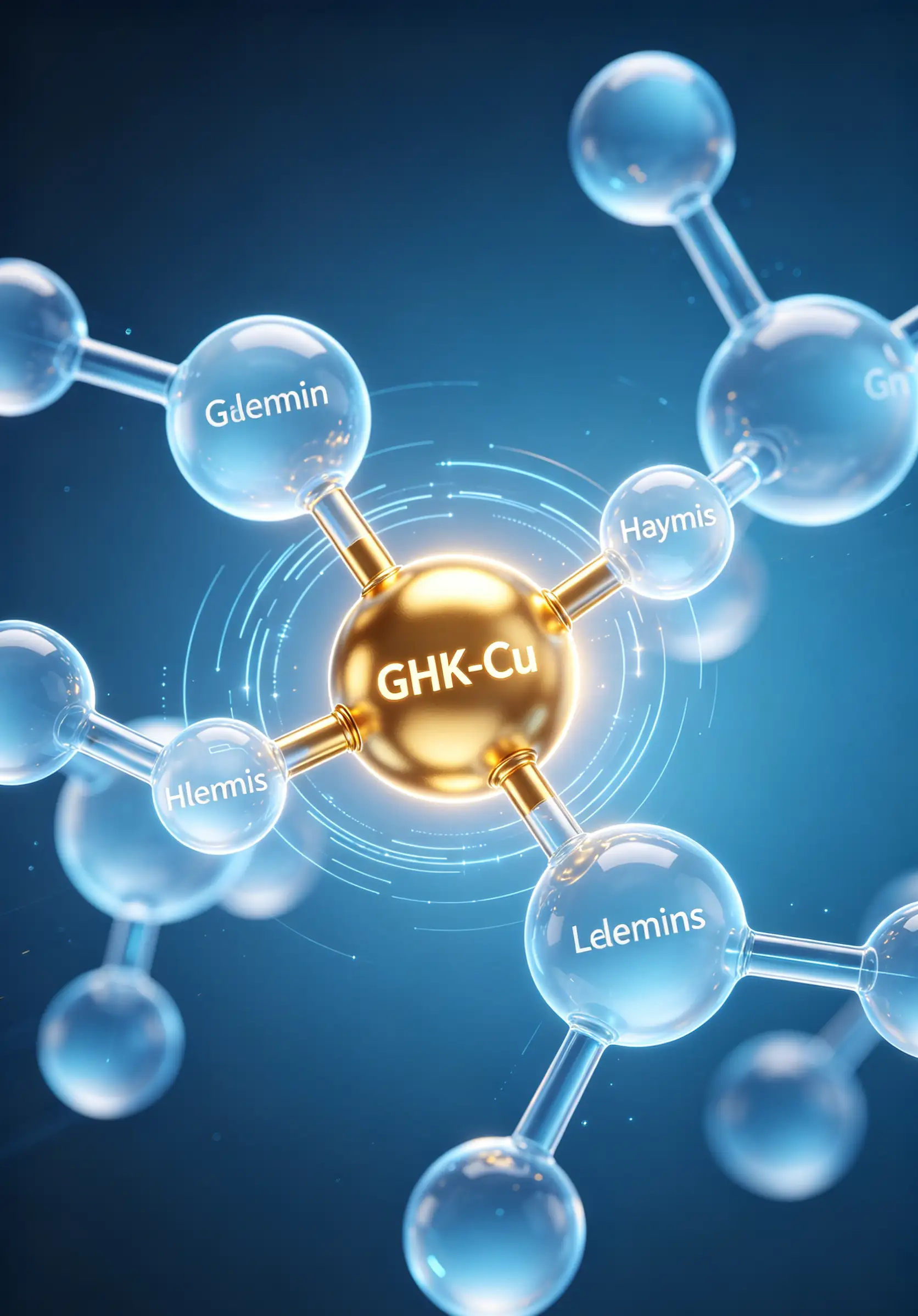
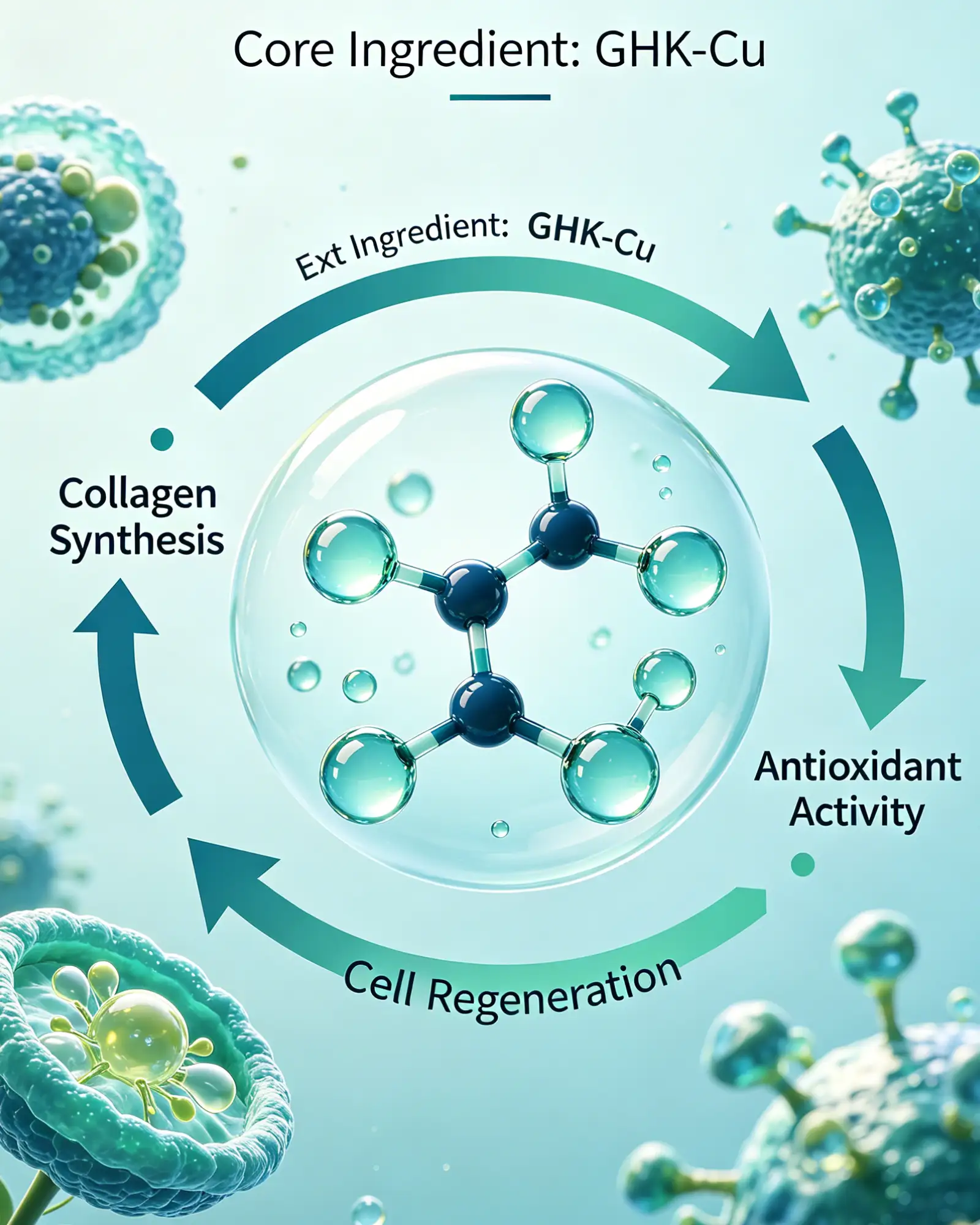
GHK-Cu is a naturally occurring tripeptide complexed with copper ions, with well-documented roles in tissue repair, collagen synthesis, and anti-aging. It is found in human plasma, saliva, and urine, and its levels decline with age—correlating with the onset of skin aging, tissue degeneration, and reduced regenerative capacity. GHK-Cu acts as a multifunctional molecule, targeting multiple pathways of aging to restore vitality and tissue health.
Its anti-aging mechanisms include stimulating collagen I, III, and elastin production in fibroblasts, rebuilding the extracellular matrix (ECM) and reducing the appearance of wrinkles and skin sagging. It also modulates the expression of over 4,000 human genes, shifting gene expression toward a youthful, regenerative phenotype. GHK-Cu acts as an antioxidant by chelating copper and activating superoxide dismutase (SOD), reducing oxidative stress and cellular damage. Additionally, it promotes angiogenesis, enhances wound healing, and supports immune function—all of which contribute to overall vitality and healthy aging. Clinical studies demonstrate its efficacy in improving skin texture, reducing scarring, and enhancing tissue regeneration, making it a versatile anti-aging peptide for both skin health and systemic vitality.
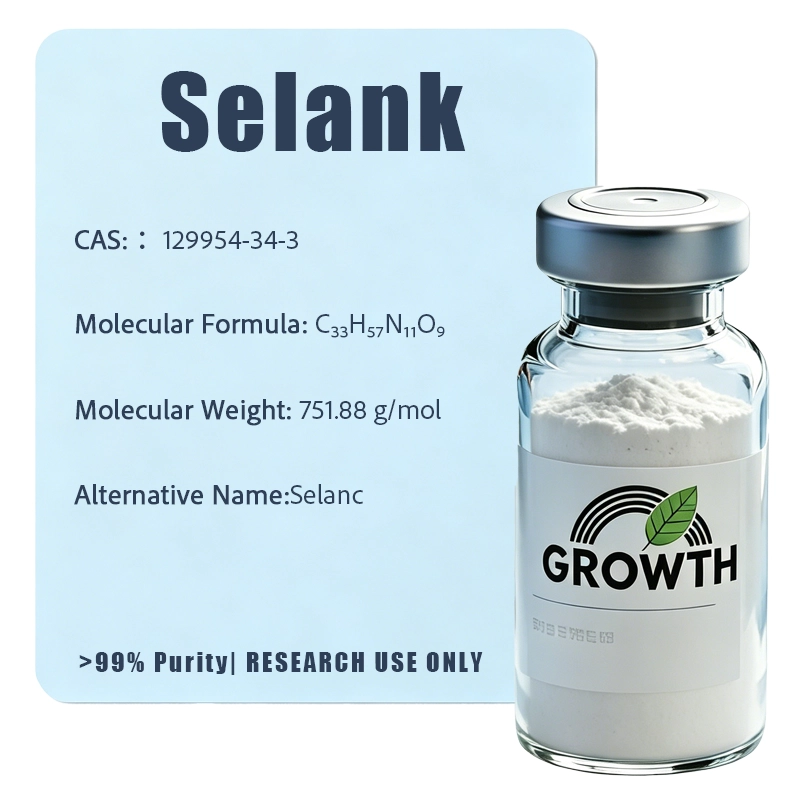
Selank
Selank is a synthetic heptapeptide (sequence: Thr-Lys-Pro-Arg-Pro-Gly-Pro) derived from tuftsin, a natural immunomodulatory peptide. It is primarily known for its anxiolytic, neuroprotective, and cognitive-enhancing effects—all of which contribute to anti-aging and vitality. As we age, cognitive function declines, and stress-related anxiety becomes more prevalent; Selank targets these issues by modulating the central nervous system and immune function.
Selank acts by regulating the levels of neurotransmitters (e.g., serotonin, dopamine, GABA) and neuropeptides (e.g., corticotropin-releasing factor, CRF), reducing anxiety and improving mood. It also enhances cognitive function by improving memory, attention, and learning capacity, and exhibits neuroprotective effects by reducing oxidative stress and inflammation in the brain. Additionally, Selank modulates immune function, supporting the body’s ability to fight infections and reduce chronic inflammation—key factors in healthy aging. Preclinical and clinical studies demonstrate its safety and efficacy in reducing anxiety, improving cognitive function, and enhancing overall vitality, making it a valuable peptide for age-related cognitive decline and stress management.

AOD9604
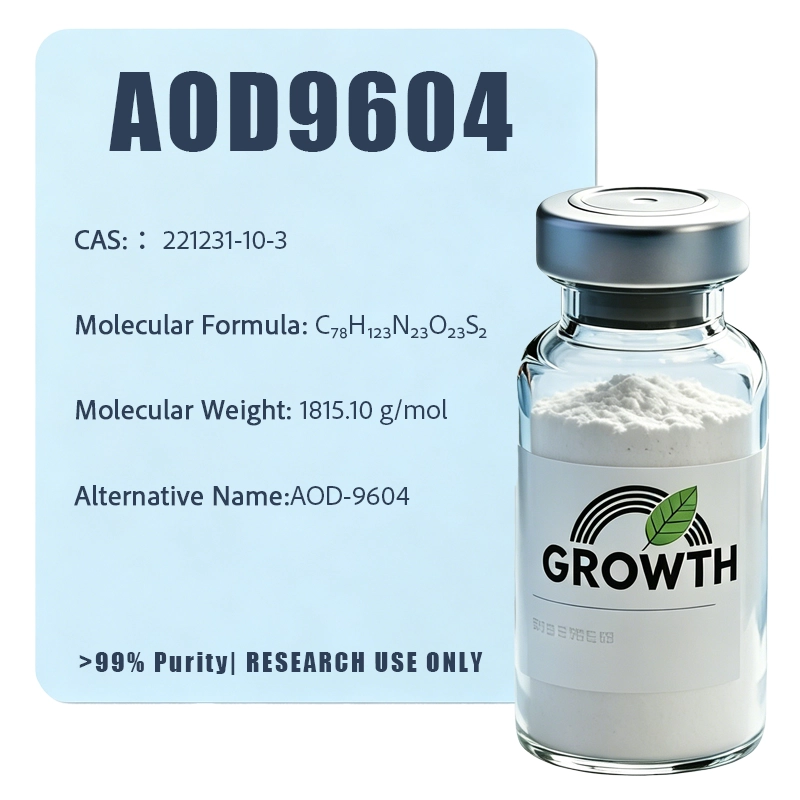
AOD9604 is a synthetic peptide fragment of human growth hormone (HGH), primarily known for its lipolytic (fat-burning) and anti-aging properties. While it is often associated with weight management, its role in anti-aging and vitality is equally significant—particularly in maintaining body composition, energy levels, and tissue health as we age. Unlike full-length HGH, AOD9604 is highly selective, targeting fat metabolism without disrupting hormonal balance.
AOD9604 acts by upregulating β-3 adrenergic receptors in adipose tissue, stimulating fat breakdown and increasing energy expenditure. This helps to maintain a healthy body composition, reducing age-related fat accumulation and preserving lean muscle mass—key factors in vitality and healthy aging. It also exhibits anti-inflammatory and tissue-repair properties, supporting skin health and wound healing. Clinical studies demonstrate that AOD9604 is well-tolerated, with no significant hormonal side effects, and may improve energy levels, physical performance, and overall vitality in older adults. Its oral bioavailability and favorable safety profile make it a valuable tool for anti-aging research focused on body composition and energy metabolism.
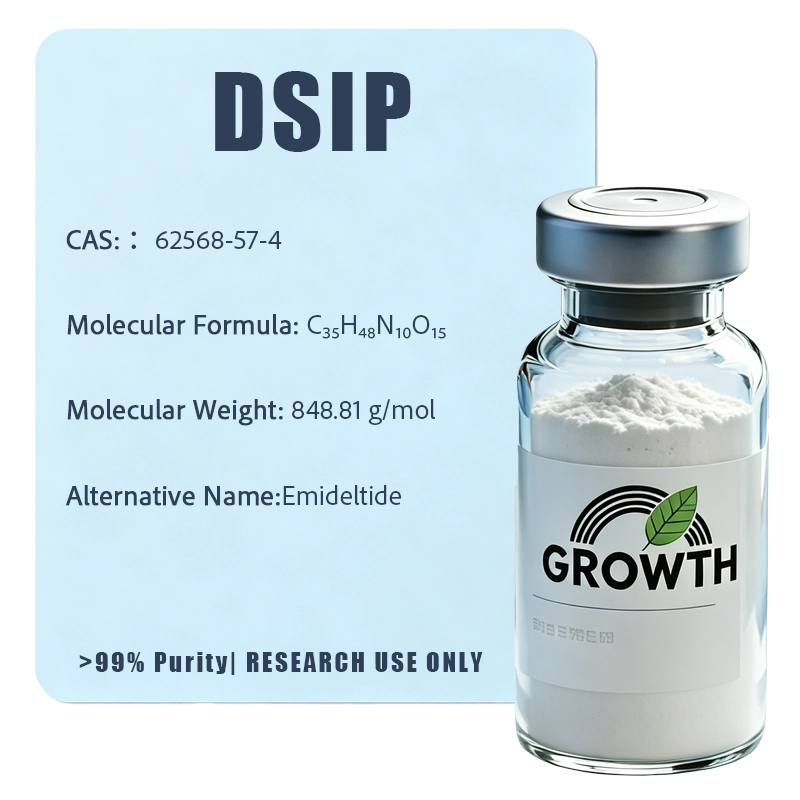
DSIP (Delta Sleep-Inducing Peptide)
DSIP (delta sleep-inducing peptide) is a naturally occurring nonapeptide that plays a critical role in regulating sleep, stress response, and vitality. Sleep disturbance is a hallmark of aging, and poor sleep accelerates cellular aging, cognitive decline, and metabolic dysfunction. DSIP acts as a sleep modulator, promoting deep, restorative delta sleep without causing sedation or dependence.
Mechanistically, DSIP interacts with the hypothalamic-pituitary-adrenal (HPA) axis, reducing cortisol levels and mitigating the effects of chronic stress—another key driver of aging. It also enhances the production of melatonin, the sleep-regulating hormone, and improves sleep quality by increasing delta wave activity during deep sleep. Preclinical and clinical studies demonstrate that DSIP improves sleep duration and quality, reduces stress-induced anxiety, and enhances cognitive function and physical vitality. By supporting healthy sleep and reducing stress, DSIP addresses two critical pillars of anti-aging, helping to preserve cellular health and overall well-being.

Semax
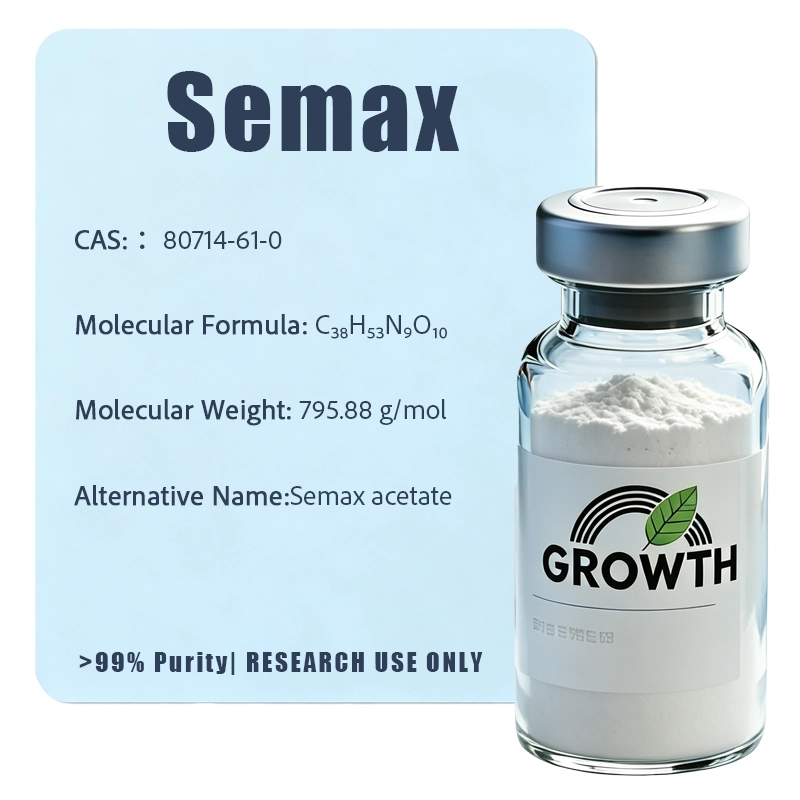
Semax is a synthetic heptapeptide (sequence: Met-Glu-His-Phe-Pro-Gly-Pro) derived from the adrenocorticotropic hormone (ACTH) fragment. It is a powerful neuroprotective and cognitive-enhancing peptide, with significant applications in anti-aging research. Semax targets age-related cognitive decline, neuroinflammation, and oxidative stress—key drivers of brain aging.
Mechanistically, Semax enhances the production of brain-derived neurotrophic factor (BDNF), a protein critical for neuronal survival, growth, and synaptic plasticity. It also reduces neuroinflammation by inhibiting pro-inflammatory cytokines (e.g., TNF-α, IL-1β) and reduces oxidative stress by activating antioxidant pathways. Preclinical studies show that Semax improves cognitive function, enhances memory, and protects neurons from age-related damage. Clinical trials in humans demonstrate its efficacy in improving cognitive performance in older adults and individuals with mild cognitive impairment. By supporting brain health and cognitive function, Semax plays a key role in preserving vitality and quality of life with age.

Synergy in Anti-Aging & Vitality Research
The most effective anti-aging strategies leverage the synergistic effects of multiple compounds, targeting different pathways of aging to achieve comprehensive results. For example:
- Combining NAD+ Precursors with SS-31: Enhances mitochondrial function by increasing NAD+ levels (substrate for sirtuins) and stabilizing mitochondrial membranes (SS-31), creating a powerful synergy for cellular energy and anti-aging.
- Epithalon + GHK-Cu: Targets telomere health (Epithalon) and extracellular matrix repair (GHK-Cu), addressing both cellular aging and tissue degeneration.
- DSIP + Selank: Supports stress resilience and sleep quality (DSIP) while enhancing cognitive function and mood (Selank), improving overall vitality and quality of life.
These combinations represent the future of anti-aging research, offering a holistic approach to addressing the complex nature of aging and preserving vitality.
Regulatory Context & Research Considerations
It is important to note the regulatory status of these compounds: while NAD+ precursors (e.g., NMN, NR) are widely available as dietary supplements, many peptides in this category (e.g., Epithalon, SS-31, DSIP, Selank, Semax, AOD9604) are classified as Research Use Only (RUO) and are not approved by the FDA, EMA, or other global agencies for human therapeutic use. GHK-Cu is approved for topical use in cosmetics but not for injectable therapeutic use. Researchers must adhere to ethical guidelines and regulatory requirements when working with these compounds.
Preclinical and clinical evidence consistently demonstrates favorable safety profiles for most anti-aging peptides and molecules, with minimal acute toxicity and few significant adverse events. However, long-term studies are still needed to fully evaluate the safety and efficacy of many of these compounds, particularly in diverse populations.
Conclusion: Peptides as the Future of Anti-Aging & Vitality
Anti-aging and vitality peptides represent a paradigm shift in aging research, offering targeted, physiological interventions that address the root causes of cellular aging—rather than just symptom management. From telomere protection (Epithalon) and mitochondrial repair (SS-31) to cognitive enhancement (Selank, Semax) and tissue regeneration (GHK-Cu), these compounds provide a diverse toolkit for researchers and clinicians seeking to preserve vitality and extend healthy lifespan.
As research advances, the potential for personalized peptide-based anti-aging strategies continues to grow—tailoring interventions to individual aging profiles, genetic factors, and health goals. With their high specificity, favorable safety profiles, and ability to target multiple aging pathways, peptides are poised to become a cornerstone of modern anti-aging medicine, offering new hope for maintaining vitality and quality of life as we age.