Epithalon
Epithalon (chemical name: Ala-Glu-Asp-Gly, abbreviated AEDG; also spelled Epitalon, Epithalone) is a synthetic tetrapeptide (four amino acids: Alanine–Glutamic Acid–Aspartic Acid–Glycine). It was designed and studied extensively by Professor Vladimir Khavinson (St. Petersburg Institute of Bioregulation and Gerontology, Russia) since the 1980s, as a biologically active synthetic analog of epithalamin—a natural peptide fraction isolated from the mammalian pineal gland.
| 10mg*10vials | $65 | 50mg*10vials | $157 |
Product Information
What Is Epithalon?
Epithalon (chemical name: Ala-Glu-Asp-Gly, abbreviated AEDG; also spelled Epitalon, Epithalone) is a synthetic tetrapeptide (four amino acids: Alanine–Glutamic Acid–Aspartic Acid–Glycine). It was designed and studied extensively by Professor Vladimir Khavinson (St. Petersburg Institute of Bioregulation and Gerontology, Russia) since the 1980s, as a biologically active synthetic analog of epithalamin—a natural peptide fraction isolated from the mammalian pineal gland.
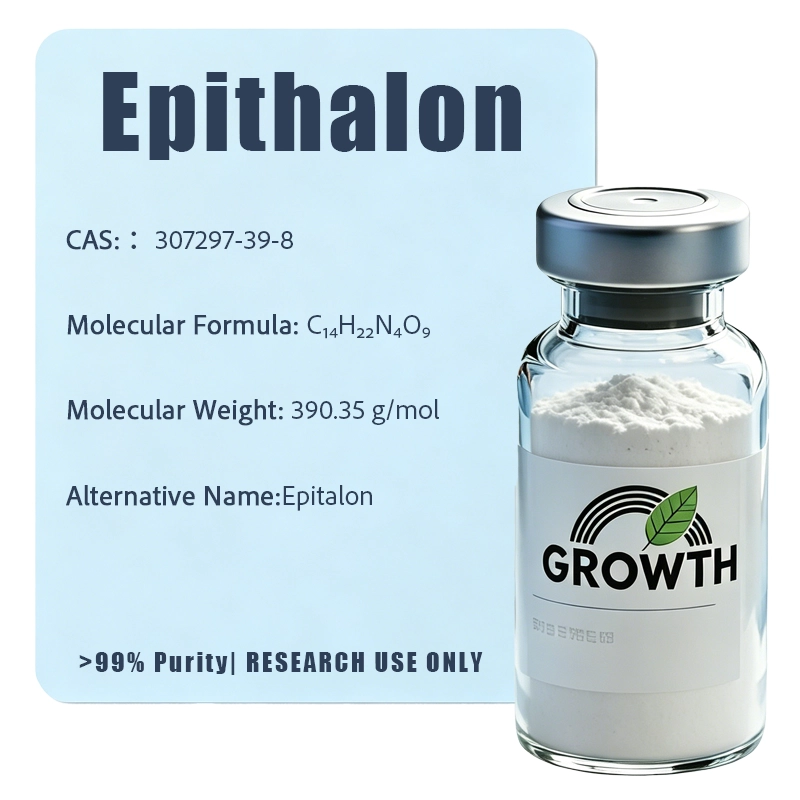
Core identity: A geroprotective (anti-aging) peptide bioregulator best known for telomerase activation, circadian rhythm normalization, and broad cytoprotective actions. CAS: 307297-39-8 Structural formula: NH₂-Ala-Glu-Asp-Gly-COOH
Target User Populations (Indicated & Research-Supported Groups)
Epithalon is researched primarily for age-related decline, cellular senescence, and disrupted homeostasis. It is not FDA/EMA approved for clinical use but is widely studied in longevity and anti-aging research.
1. Adults with Accelerated Biological Aging / Short Telomeres
- Individuals with premature cellular aging, high oxidative stress, or documented short leukocyte telomeres.
- Those with lifestyle-related aging: chronic stress, poor sleep, inflammation, metabolic imbalance.
2. Middle-Aged & Elderly Adults (45+)
- Age-related telomere attrition, immune decline, sleep disruption, and hormonal dysregulation.
- Subjects with circadian rhythm disorders, poor sleep quality, or low nocturnal melatonin output.
3. Individuals with Chronic Oxidative & Inflammatory Stress
- Those with metabolic syndrome, insulin resistance, or elevated LDL/VLDL.
- Post-illness recovery, chronic fatigue, or age-related tissue degeneration.
4. Research Subjects & Longevity Enthusiasts
- Those pursuing telomere maintenance, lifespan extension, and cellular rejuvenation (preclinical and pilot human data).
Mechanism of Action (Scientific)
Epithalon acts via multiple interconnected pathways focused on telomere stability, neuroendocrine regulation, and cytoprotection.
1. Telomerase Activation & Telomere Maintenance (Primary)
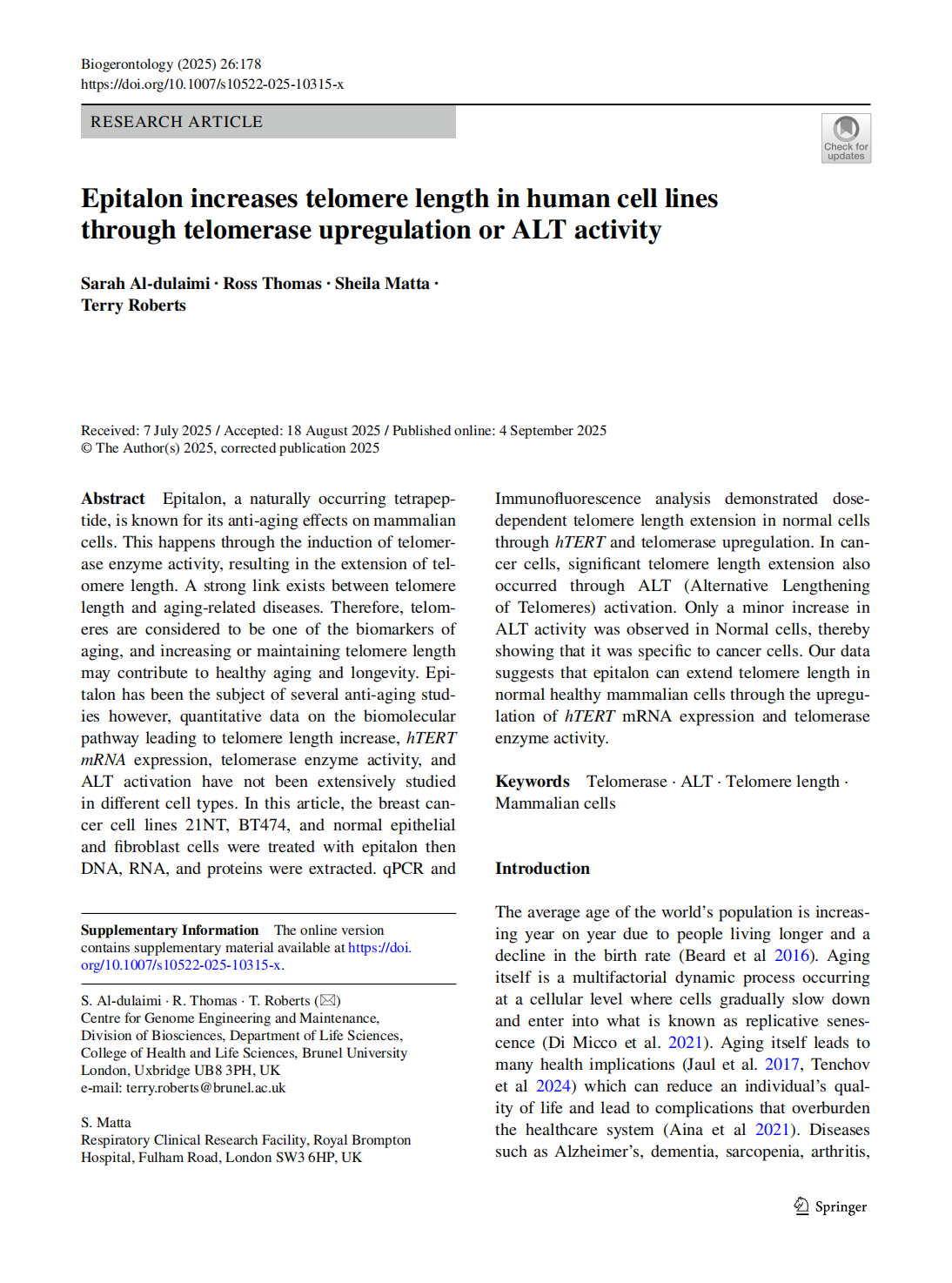
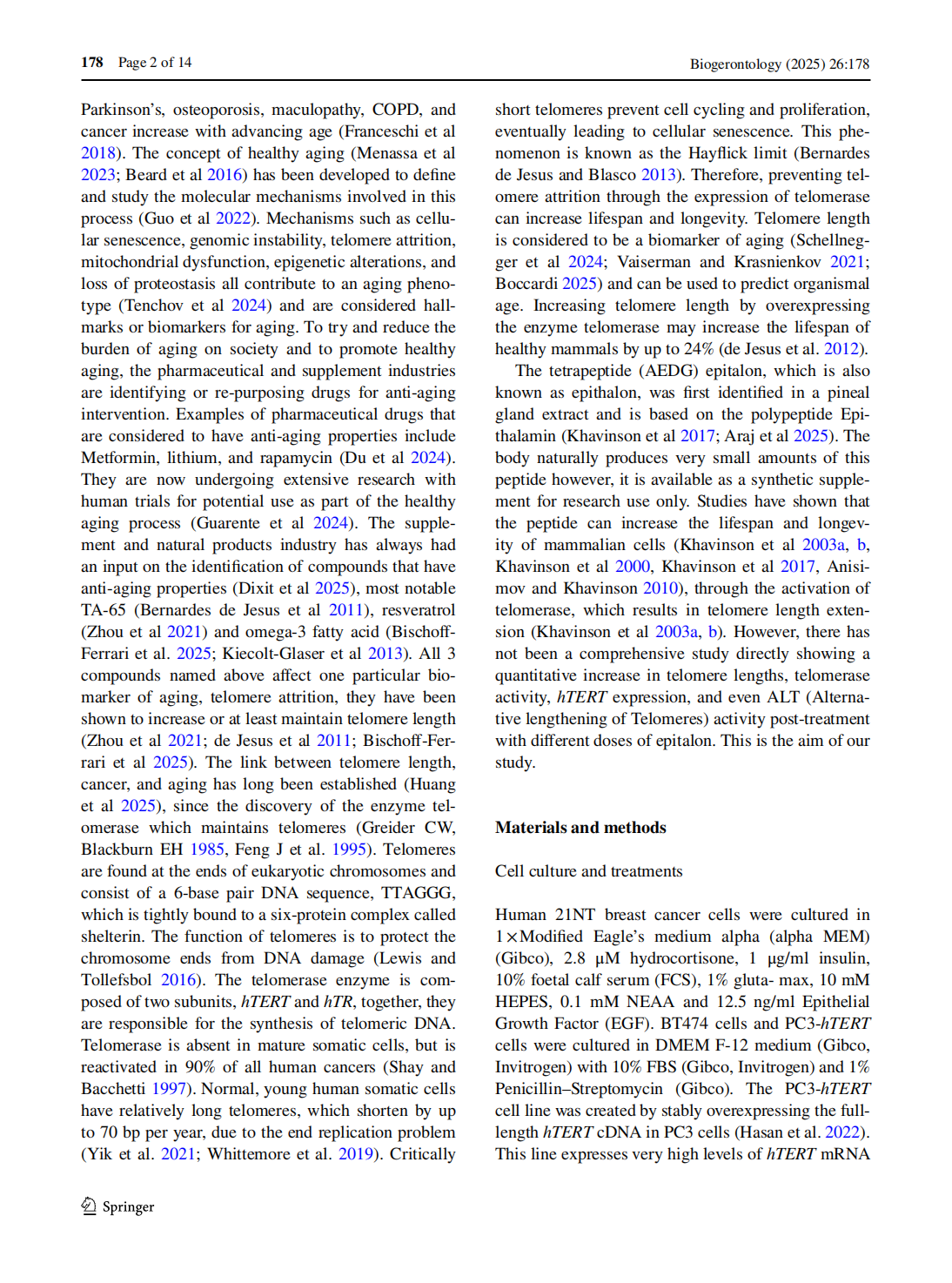
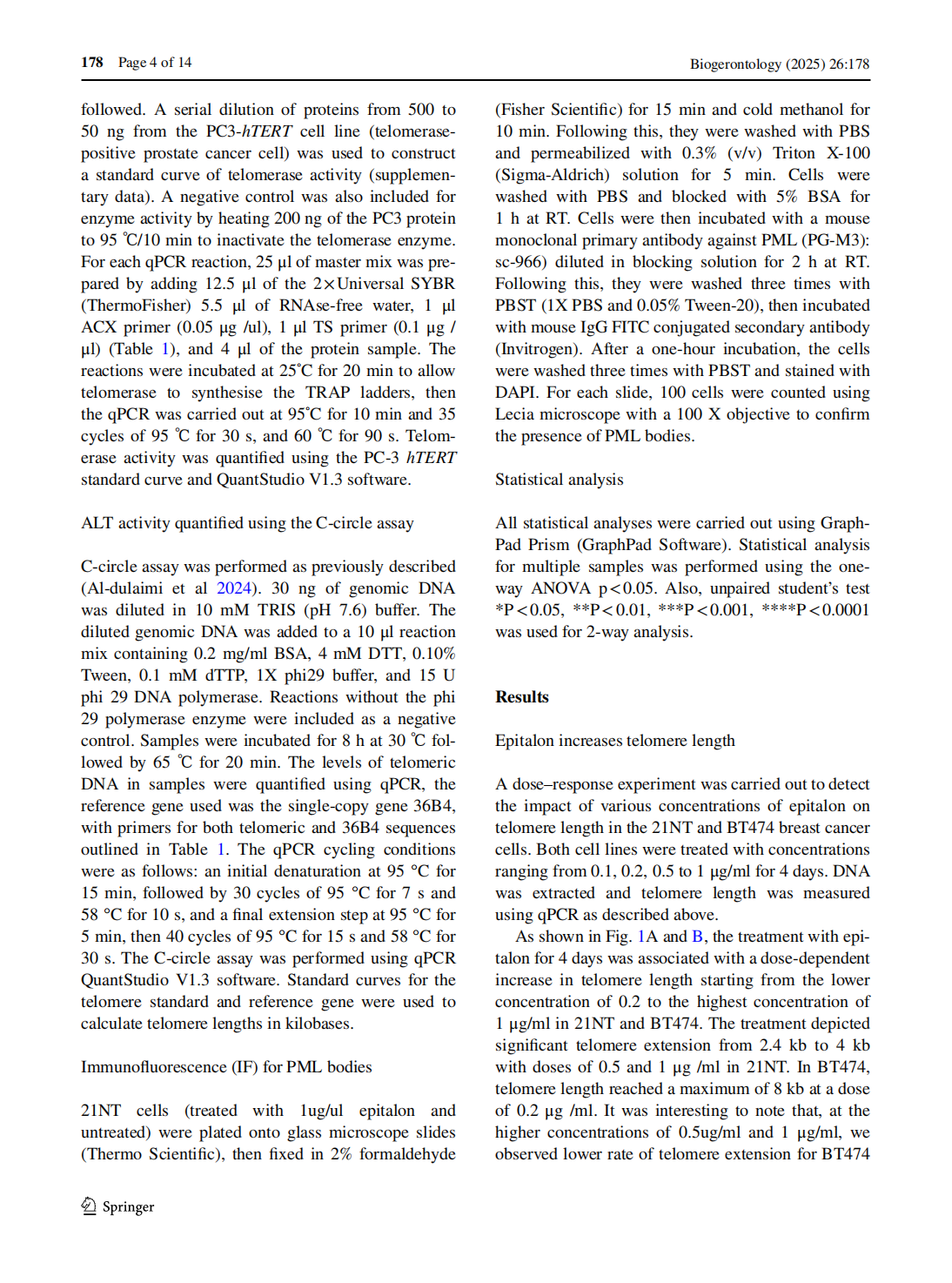
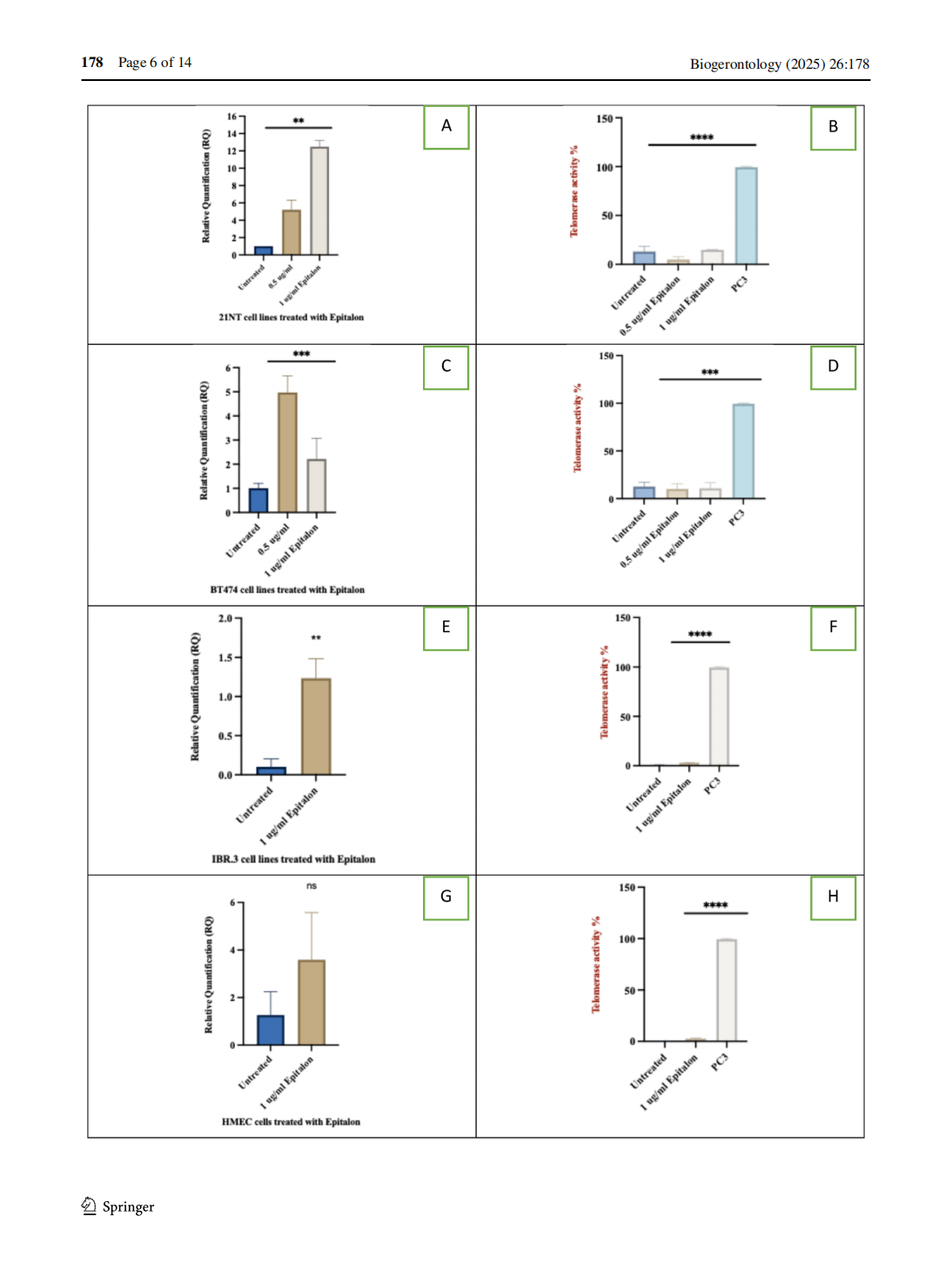
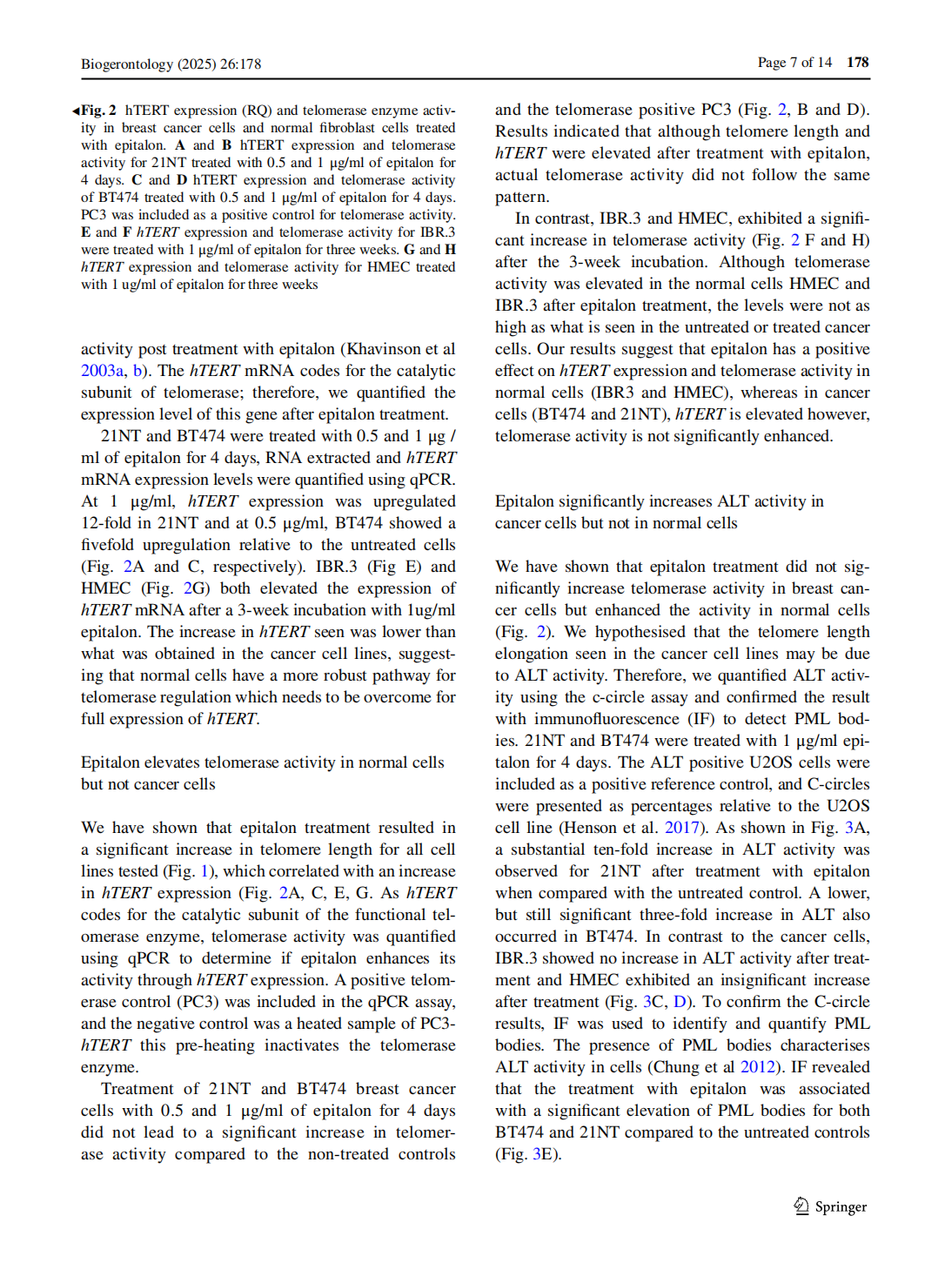
- Upregulates hTERT (human telomerase reverse transcriptase) gene transcription.
- Restores telomerase activity in somatic cells (where it is normally suppressed with age).
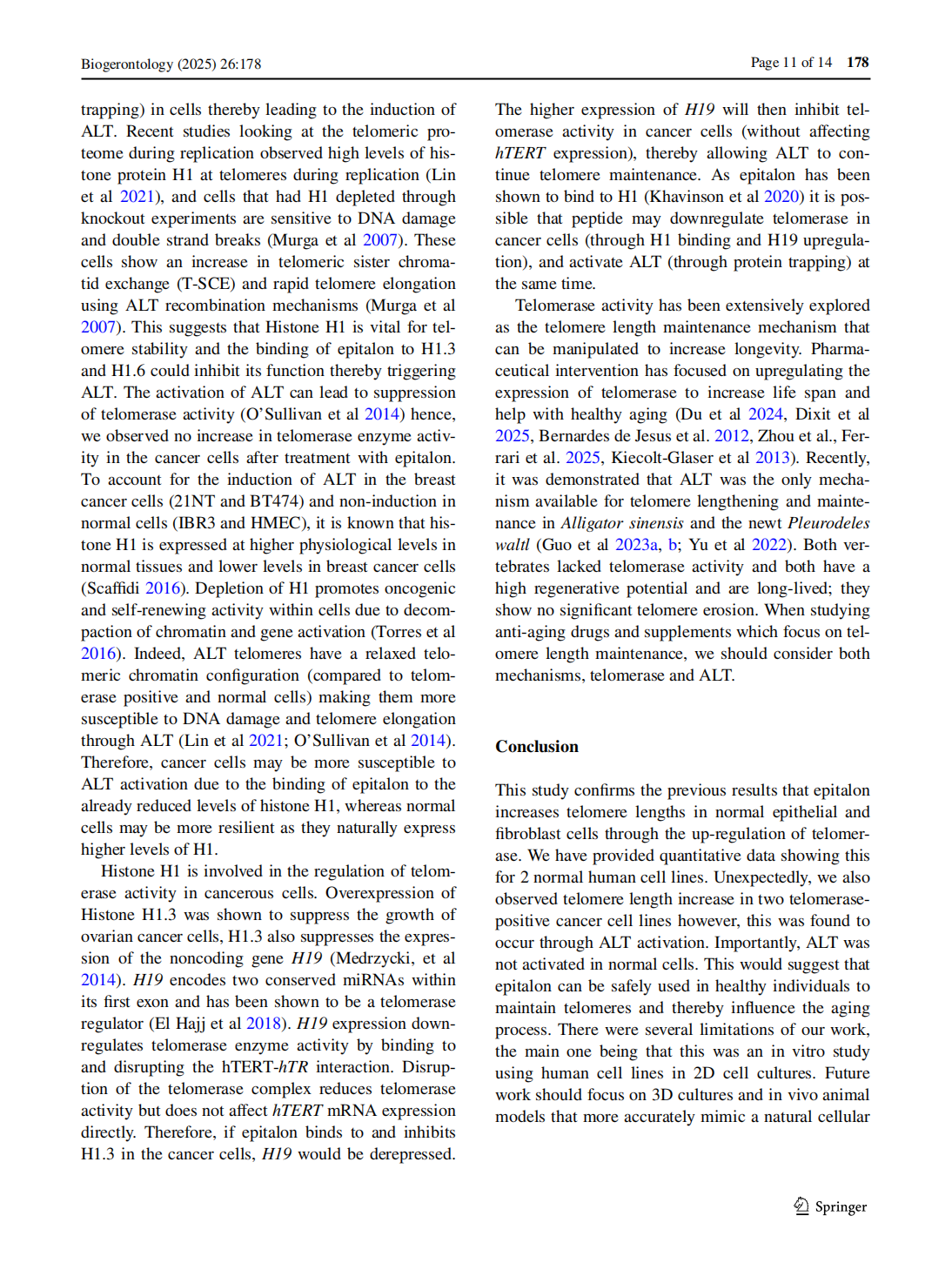
- Lengthens/protects telomeres (chromosomal end caps), delaying cellular senescence and extending replicative lifespan (Hayflick limit).
- In vitro: Extends human fibroblast divisions from ~34 to >44 and restores youthful telomere length.
- In animals: Extends mean and maximum lifespan by 10–25%.
2. Pineal Gland & Circadian Rhythm Regulation
- Stimulates melatonin synthesis in pinealocytes by upregulating AANAT (arylalkylamine N-acetyltransferase) — the rate-limiting enzyme for melatonin.
- Normalizes clock gene expression (Per1, Cry1, Bmal1) in the suprachiasmatic nucleus (SCN), restoring circadian amplitude.
- Improves sleep architecture (slow-wave sleep, nocturnal rhythm).
3. Antioxidant & DNA Repair
- Induces metallothioneins (MT1/MT2) and upregulates SOD, GPx, glutathione — neutralizes reactive oxygen species (ROS).
- Reduces chromosomal damage, DNA mutations, and oxidative stress.
- Enhances DNA repair enzyme activity and genomic stability.
4. Immunomodulation
- Stimulates thymic function and T-cell maturation; boosts IL-2 synthesis.
- Reverses age-related immune decline (immunosenescence).
5. Endocrine & Metabolic Regulation
- Normalizes pineal-pituitary axis activity; modulates gonadotropins, cortisol, and insulin sensitivity.
- Improves lipid profile (lower LDL/VLDL) and glucose homeostasis.