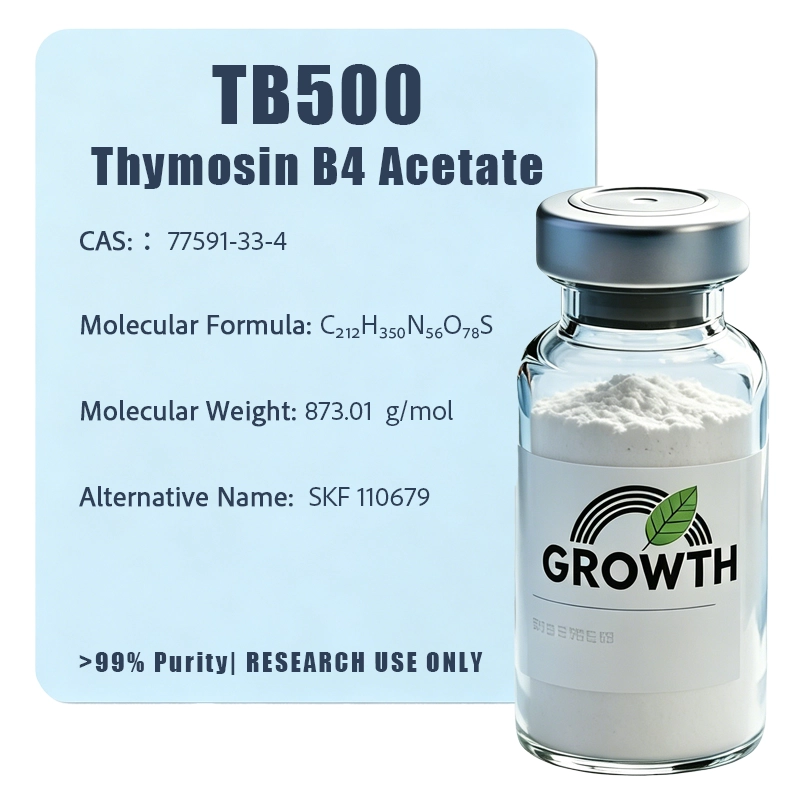
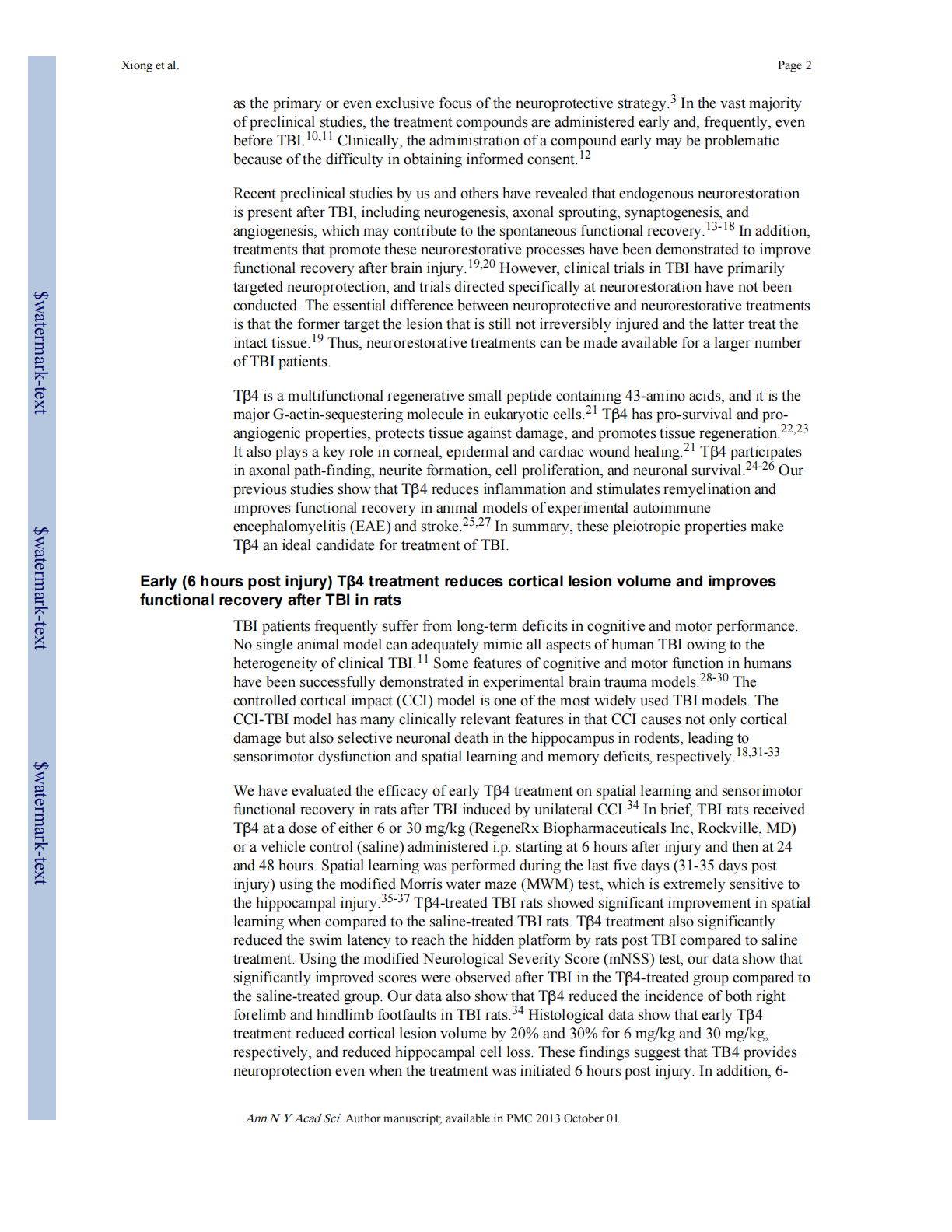
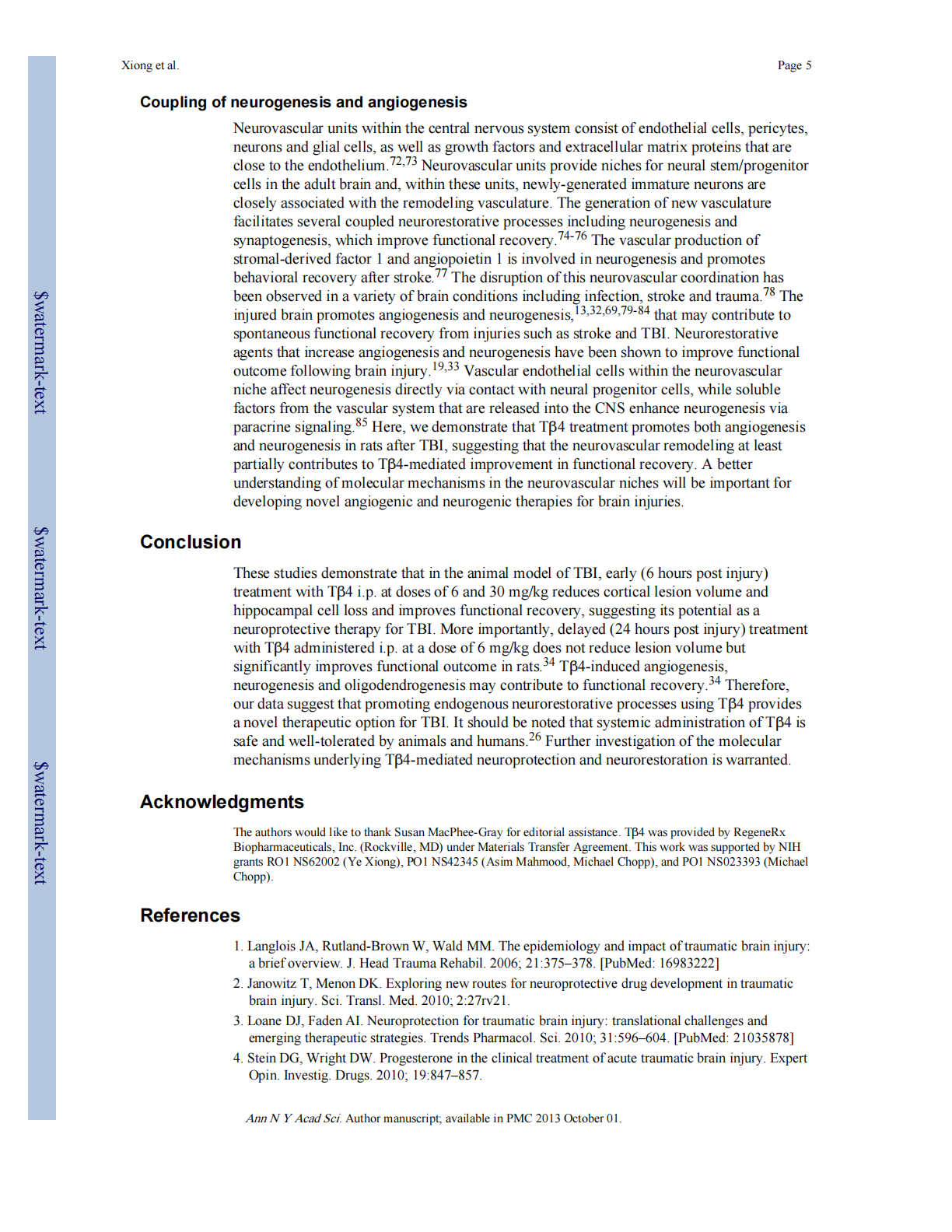
TB500 is a synthetic, acetylated peptide fragment (Ac-LKKTETQ, amino acids 17–23) of Thymosin Beta-4 (Tβ4)—a naturally occurring 43-amino-acid peptide ubiquitous in mammalian tissues. It retains the core actin-binding domain of full-length Tβ4 and is widely studied for potent regenerative, anti-inflammatory, angiogenic, and cytoprotective effects.
TB500 binds to G‑actin to maintain cytoskeletal flexibility, which supports faster migration of fibroblasts, endothelial cells, and stem cells to damaged tissue sites, enabling efficient repair initiation.
Strong pro‑angiogenic effect
It upregulates VEGF and supports endothelial cell proliferation and tube formation, boosting blood vessel growth to improve oxygen and nutrient supply to injured or poorly vascularized tissues.
Potent anti‑inflammatory activity
TB500 reduces key pro‑inflammatory cytokines including TNF‑α, IL‑1β, and IL‑6, while increasing anti‑inflammatory signals, thereby reducing swelling, pain, and secondary tissue injury.
Enhanced tissue regeneration
It promotes collagen remodeling, keratinocyte and muscle cell proliferation, and stem cell mobilization, leading to faster healing, better tissue structure, and reduced scar formation.
Cytoprotective and anti‑apoptotic effects
It protects cells from oxidative stress and ischemic damage, inhibits excessive cell death, and helps preserve tissue integrity and function during injury and recovery.
Important Warnings & Safety Considerations
Contraindications
Known hypersensitivity to TB500 or acetate excipients
Active or recurrent malignant disease (may enhance angiogenesis and cell migration)
Pregnancy, lactation, and pediatric use (no safety data)