
Blog
Advanced Peptides: Optimal Recovery & Repair

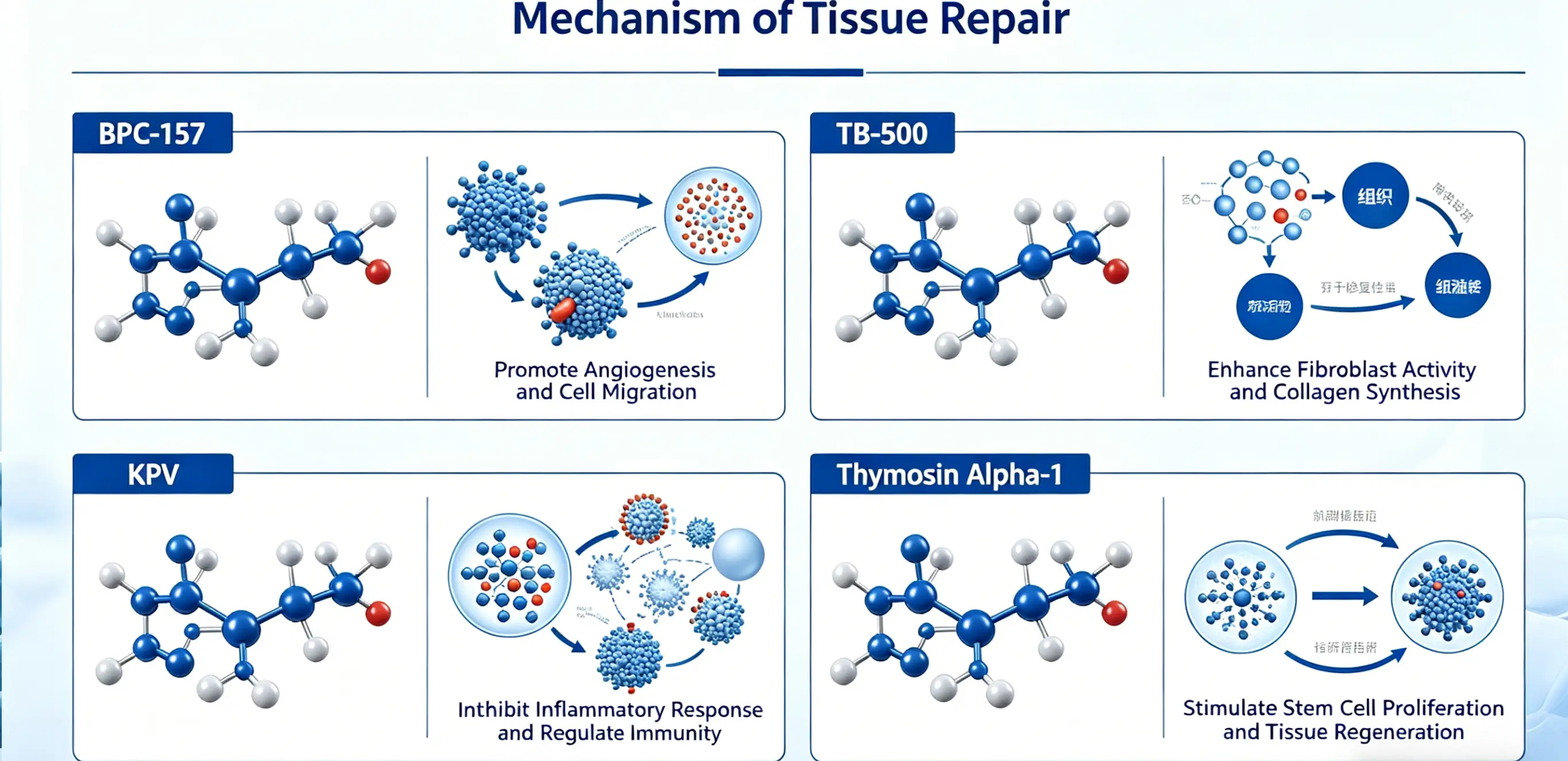
Tissue repair and functional recovery are foundational to human health, encompassing the healing of acute injuries, chronic degenerative conditions, post-surgical recovery, and the mitigation of age-related tissue decline. In recent years, peptide-based therapies have emerged as a groundbreaking approach in regenerative medicine, offering targeted, bioactive solutions that modulate cellular processes to accelerate repair, reduce inflammation, and restore tissue integrity. This delves into four key peptides—BPC-157, TB-500 (Thymosin B4 Acetate), KPV, and Thymosin Alpha-1—and their synergistic composite formulations, exploring their mechanisms of action, therapeutic applications, and the scientific rationale behind their use in recovery and tissue repair.
The Role of Peptides in Recovery & Tissue Repair
Peptides are short chains of amino acids, the building blocks of proteins, that exhibit high bioavailability and specificity in targeting cellular pathways involved in tissue regeneration. Unlike conventional therapies that often focus on symptom management, peptide-based interventions act at the molecular level to stimulate endogenous repair mechanisms, including angiogenesis (new blood vessel formation), fibroblast proliferation, collagen synthesis, and immune modulation. This targeted approach minimizes off-target effects while enhancing the efficiency and sustainability of tissue repair, making peptides a cornerstone of advanced regenerative strategies.
Key Peptides for Recovery & Tissue Repair: Mechanisms and Therapeutic Value
1.BPC-157 (Body Protection Compound 157)

BPC-157 is a synthetic 15-amino acid oligopeptide derived from a protein naturally found in human gastric juice, characterized by remarkable stability—even in gastric acid—and broad bioavailability when administered via intramuscular (IM), intravenous (IV), or oral routes. Its core mechanism of action revolves around activating key signaling pathways that orchestrate tissue repair, most notably the vascular endothelial growth factor receptor 2 (VEGFR2) pathway, which drives angiogenesis by stimulating the production of nitric oxide (NO) and promoting blood vessel dilation. This enhanced blood flow delivers oxygen, nutrients, and repair factors to damaged tissues, overcoming the critical limitation of poor vascularization in slow-healing areas like tendons and ligaments.
Additionally, BPC-157 activates focal adhesion kinase (FAK)-paxillin complexes to facilitate cell migration and adhesion, a critical step in wound healing, and upregulates early growth response gene 1 (EGR-1), a master regulator of cell growth, survival, and angiogenesis. Clinically relevant applications include the acceleration of musculoskeletal repair (tendons, ligaments, muscles), gastrointestinal mucosal healing, and the mitigation of post-injury inflammation, with preclinical studies demonstrating its ability to enhance collagen maturation and biomechanical strength in damaged tissues.
2. TB-500 (Thymosin B4 Acetate)
TB-500 is a synthetic peptide fragment of thymosin beta-4 (Tβ4), a naturally occurring protein abundant in human tissues (heart, brain, muscles) that plays a pivotal role in tissue regeneration and inflammation modulation. Unlike symptomatic treatments, TB-500 acts at the cellular level to address the root cause of impaired repair by regulating the actin cytoskeleton, which enables cell migration to damaged sites, and enhancing the function of endothelial cells critical for nutrient delivery to healing tissues.
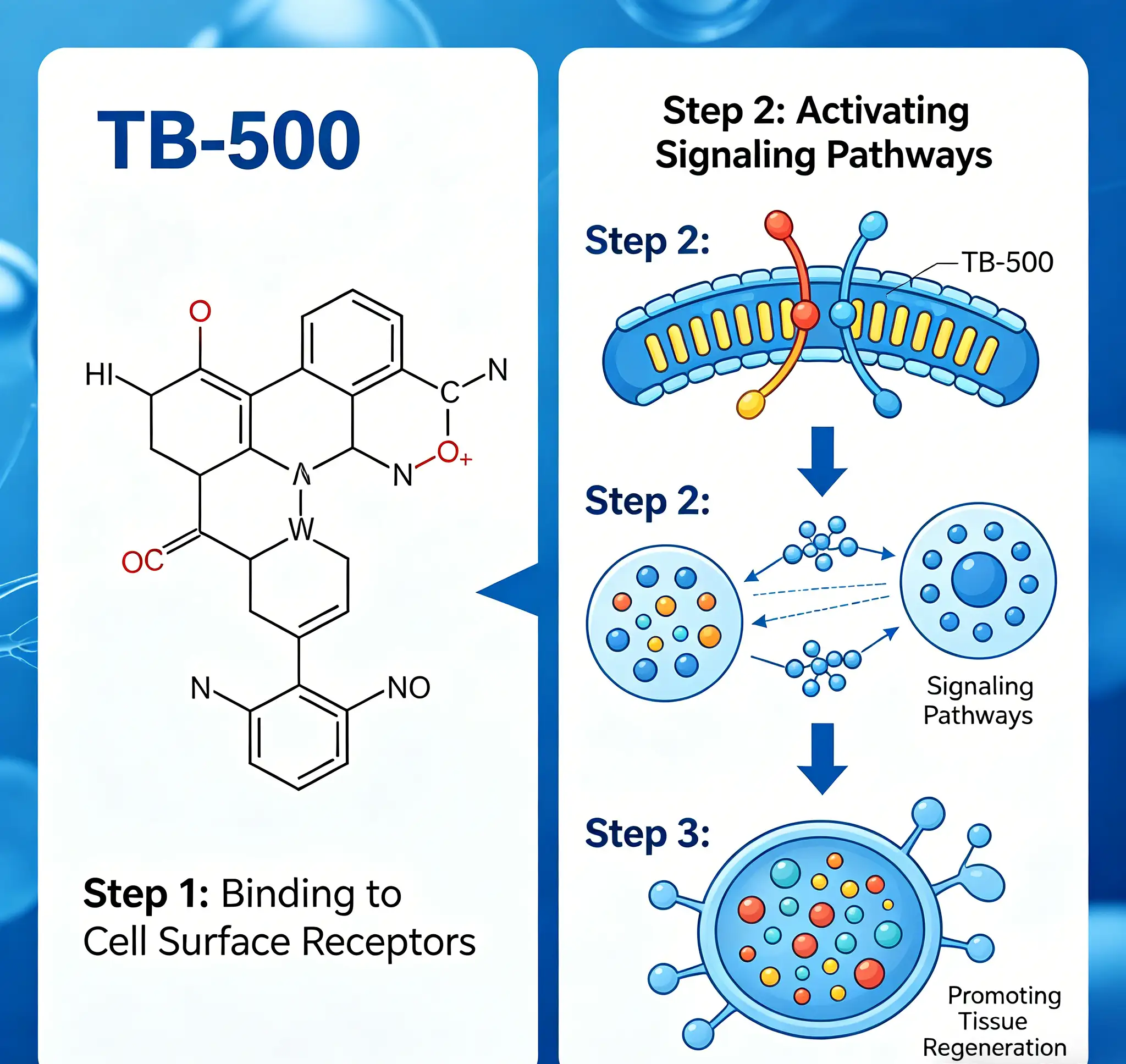
Key therapeutic effects include accelerated wound healing, reduced scarring, and enhanced repair of connective tissues (tendons, ligaments, cartilage)—areas often hindered by poor blood supply. It also modulates inflammatory pathways by inhibiting NF-κB and MAPK signaling, reducing the production of pro-inflammatory mediators and protecting tissues from oxidative damage. TB-500 is particularly valuable for athletes recovering from soft tissue injuries, individuals undergoing post-surgical rehabilitation, and those managing chronic degenerative conditions, as it supports rapid tissue regeneration without direct anabolic effects.
3. KPV (Lys-Pro-Val)

KPV is a tripeptide fragment of α-melanocyte-stimulating hormone (α-MSH) with potent anti-inflammatory, antimicrobial, and tissue-repair properties, distinguished by its low immunogenicity and flexible delivery options (topical, nasal, oral). Its primary mechanism of action involves intracellular modulation of the NF-κB signaling pathway, which sharply reduces the production of pro-inflammatory cytokines such as TNF-α, IL-1β, and IL-6—key drivers of tissue damage in chronic inflammation and injury.
Beyond inflammation control, KPV accelerates wound closure by promoting keratinocyte migration, fibroblast proliferation, and collagen deposition, making it ideal for chronic wound care, inflammatory skin conditions (acne, psoriasis), and mucosal healing (e.g., ulcerative colitis). It also exhibits broad antimicrobial activity by disrupting bacterial membranes, offering synergistic benefits with conventional antibiotics and reducing infection risk in healing tissues. Its short half-life (5–15 minutes) necessitates repeated dosing for systemic effects, but its safety profile and targeted action make it a valuable adjunct in regenerative therapies.
4. Thymosin Alpha-1 (Thymosin α1)
Thymosin Alpha-1 is a peptide fragment derived from prothymosin alpha, primarily expressed in the thymus gland, with a central role in immune modulation and tissue repair. As an immunomodulator, it enhances the production and activation of T-cells (CD4+ and CD8+), natural killer (NK) cells, and cytotoxic T-cells, strengthening the immune system’s ability to fight infections and clear damaged cells—critical steps in efficient tissue repair.
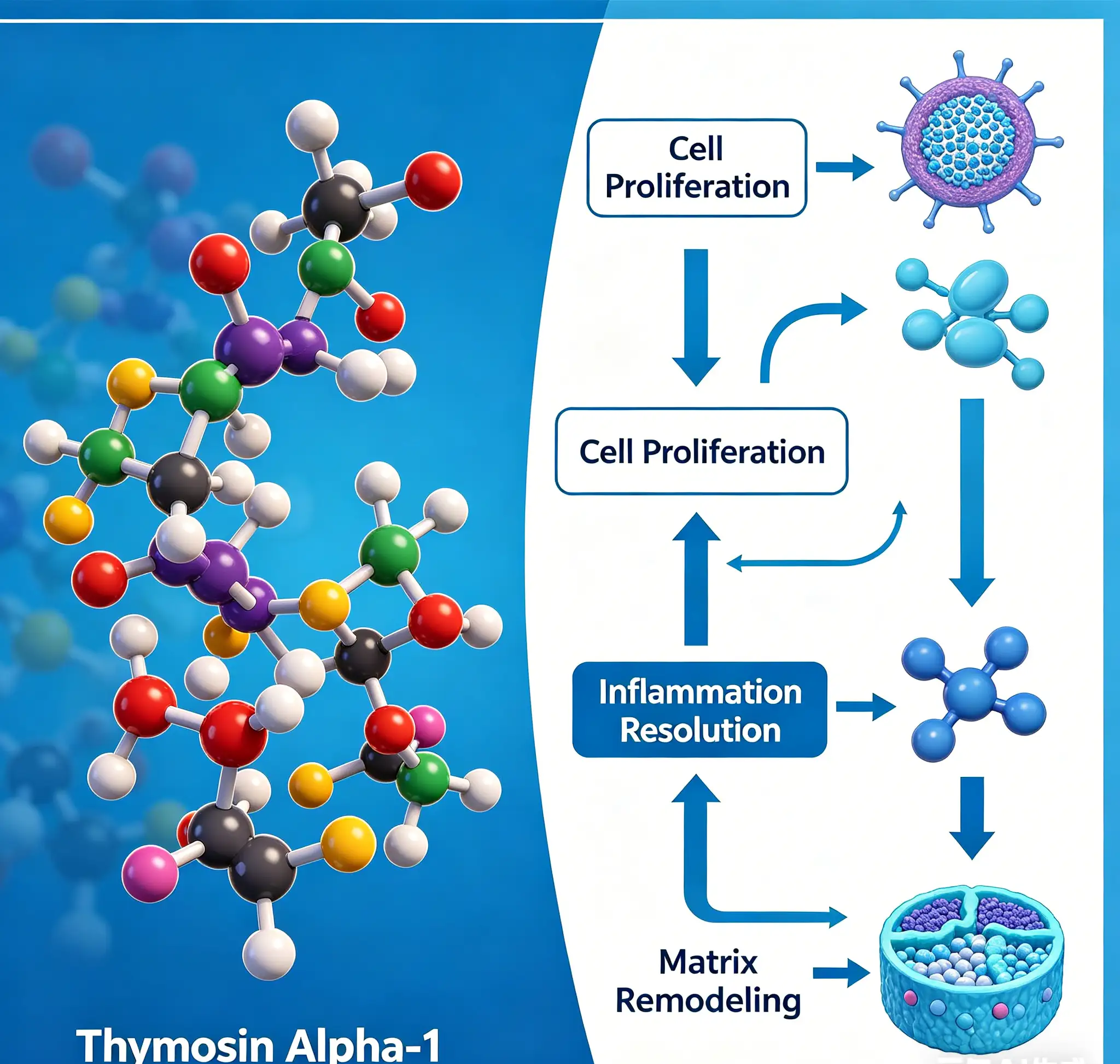
In the context of recovery, Thymosin Alpha-1 promotes wound healing by stimulating fibroblast proliferation and collagen synthesis, while reducing excessive inflammatory responses that can delay repair or cause tissue damage. It also supports immune balance in chronic inflammatory conditions, making it useful for individuals recovering from infections, autoimmune diseases, or post-surgical complications. Additionally, it may compensate for age-related thymus decline, supporting immune health and tissue repair in older adults.
Conclusion
Recovery & Tissue Repair is a multifaceted process that requires targeted modulation of cellular repair mechanisms, inflammation, and immune function—areas where peptide-based therapies excel. BPC-157, TB-500, KPV, and Thymosin Alpha-1 each offer unique, evidence-backed benefits, while their synergistic composite formulations amplify these effects to create comprehensive regenerative solutions. Whether for acute injury recovery, post-surgical rehabilitation, or chronic tissue maintenance, these advanced peptide therapies represent a paradigm shift in how we approach tissue repair, offering safer, more targeted alternatives to conventional treatments.
As research continues to unlock the full potential of peptide-based regenerative medicine, these formulations are poised to become essential tools in supporting optimal recovery, restoring tissue function, and enhancing overall health and resilience.