

Blog
Metabolic Peptides: A Scientific Overview


The global burden of obesity, metabolic syndrome, and age-related metabolic decline continues to grow, driving demand for targeted, physiologically aligned interventions. Unlike conventional weight management strategies that often rely on caloric restriction or non-specific metabolic stimulation, modern peptide science offers a precision approach—leveraging bioactive peptide molecules to modulate key metabolic pathways, regulate appetite, enhance fat oxidation, and preserve lean muscle mass. This article explores the most researched peptides in the weight management and metabolism category, dissecting their mechanisms of action, preclinical and clinical evidence, and unique roles in optimizing metabolic health.
Peptides excel in metabolic regulation due to their high specificity, bioavailability, and compatibility with the body’s natural signaling systems. Unlike synthetic hormones or large-molecule drugs, these short amino acid chains interact with specific receptors and enzymes, minimizing off-target effects while delivering potent, targeted outcomes. For researchers and clinicians alike, this category of peptides represents a promising frontier in addressing the multifactorial nature of metabolic dysfunction and weight management challenges.

Key Peptides for Weight Management & Metabolism: Mechanisms, Evidence, and Applications
Below is a comprehensive analysis of the most impactful peptides in this category, organized by their core metabolic functions—from gut hormone modulation and fat oxidation to mitochondrial health and muscle preservation.
1. Tirzepatide
Tirzepatide is a dual agonist of the glucagon-like peptide-1 (GLP-1) and glucose-dependent insulinotropic polypeptide (GIP) receptors, representing a breakthrough in metabolic peptide therapy. Approved for the treatment of type 2 diabetes and obesity, it exerts its effects through a multifaceted mechanism that targets the gut-brain axis, glucose homeostasis, and fat metabolism.Mechanistically, tirzepatide enhances glucose-dependent insulin secretion, suppresses glucagon release (reducing hepatic glucose production), slows gastric emptying to promote satiety, and directly modulates appetite centers in the hypothalamus. Beyond glycemic control, it drives significant weight loss by reducing caloric intake and increasing energy expenditure. Clinical trials have demonstrated that tirzepatide achieves mean weight reductions of 11.82 kg (95% CI -15.08; -8.56, p < 0.0001) in obese patients, with sustained effects over long-term administration. Its dual receptor activation also offers cardiovascular benefits, including reduced risk of major adverse cardiovascular events in patients with type 2 diabetes.2. Retatrutide
Retatrutide is a next-generation triple agonist targeting the GLP-1, GIP, and glucagon receptors—building on the success of dual agonists like tirzepatide to deliver even more potent metabolic effects. As a triagonist, it combines the appetite-suppressing and glucose-regulating properties of GLP-1 and GIP with the thermogenic and fat-mobilizing effects of glucagon, creating a synergistic approach to weight management.Preclinical and clinical studies have shown that retatrutide outperforms dual agonists in weight reduction, with mean absolute weight loss of 16.34 kg (95% CI -22.11; -10.56, p < 0.0001) and percentage weight loss of 23.77%—significantly higher than the 16.79% observed with tirzepatide. This enhanced efficacy is attributed to glucagon-mediated increases in energy expenditure and fat oxidation, alongside the satiety and glucose-regulating effects of GLP-1 and GIP. While retatrutide demonstrates superior weight loss outcomes, it is associated with a higher frequency of adverse events (RR 4.10, 95% CI 1.42; 11.84, p = 0.0092) compared to tirzepatide, highlighting the need for careful dose optimization.3. Semaglutide
Semaglutide is a long-acting GLP-1 receptor agonist with established efficacy in both type 2 diabetes management and obesity treatment. Its molecular structure is modified to enhance stability and bioavailability, featuring a C18 fatty di-acid side chain that binds to plasma albumin (>99% protein binding) and protects against degradation by dipeptidyl peptidase 4 (DPP-4), resulting in a half-life of approximately 1 week—enabling once-weekly dosing.Semaglutide’s metabolic effects are driven by its ability to mimic the actions of endogenous GLP-1: it suppresses appetite by activating GLP-1 receptors in the hypothalamus, slows gastric emptying to prolong satiety, improves insulin sensitivity, and reduces hepatic glucose production. Clinical trials have shown that semaglutide (2.4 mg weekly) leads to mean weight loss of 15-20% in obese patients, with additional benefits including improved lipid profiles and reduced inflammation. Its long half-life and high bioavailability (89%) make it a convenient and effective option for long-term metabolic management.4. 5-Amino-1MQ
5-Amino-1MQ is a small-molecule peptide inhibitor of nicotinamide N-methyltransferase (NNMT), an enzyme that plays a critical role in metabolic dysfunction by depleting intracellular nicotinamide adenine dinucleotide (NAD⁺) and impairing mitochondrial energy metabolism. Elevated NNMT activity is strongly correlated with obesity, insulin resistance, and age-related metabolic decline, making it a key therapeutic target.By competitively inhibiting NNMT (Ki ≈ 0.4 µM), 5-Amino-1MQ preserves NAD⁺ pools, activates sirtuins (SIRT1/SIRT3), enhances mitochondrial biogenesis, and promotes fatty acid oxidation. Preclinical studies demonstrate that 5-Amino-1MQ increases total NAD⁺ levels by 35-60% in treated cells within 24 hours, downregulates lipogenic transcription factors (SREBP-1c and ChREBP), and reduces adiposity in diet-induced obese mice. It also improves glucose tolerance, increases exercise endurance, and exhibits neuroprotective effects, making it a versatile peptide for addressing both metabolic dysfunction and age-related decline.5. HGH Fragment 176-191
HGH Fragment 176-191 is a synthetic peptide fragment derived from human growth hormone (HGH), specifically engineered to target fat metabolism without the off-target effects associated with full-length HGH. Unlike intact HGH, this 25-amino-acid fragment does not stimulate insulin-like growth factor 1 (IGF-1) production or cause water retention, focusing exclusively on lipolytic (fat-burning) effects.Its mechanism of action involves activating lipolysis in adipose tissue, accelerating the breakdown of triglycerides into fatty acids for energy utilization. It also enhances metabolic rate, increases energy levels, and supports skeletal health by promoting bone density—making it particularly useful for researchers studying body composition optimization, especially in athletic or aging populations. Preclinical and anecdotal evidence suggests it is well-tolerated, with minimal side effects beyond transient injection site soreness or insomnia.6. MOTS-c
MOTS-c (Mitochondrial Open Reading Frame of the 12S rRNA-C) is a 16-amino-acid peptide encoded by mitochondrial DNA, representing a novel class of mitochondrial-derived peptides that regulate metabolic homeostasis. Unlike most metabolic peptides, which act on the gut-brain axis or hormone receptors, MOTS-c targets skeletal muscle and modulates cellular metabolism by inhibiting the folate cycle and activating AMP-activated protein kinase (AMPK)—a key regulator of energy balance.Preclinical studies show that MOTS-c prevents age-dependent and high-fat-diet-induced insulin resistance, reduces diet-induced obesity, and improves glucose utilization by increasing glucose clearance and lactate accumulation. It also protects pancreatic β-cells against proinflammatory T-cell infiltration, delaying the onset of autoimmune diabetes in animal models. By linking mitochondrial function to systemic metabolic health, MOTS-c offers a unique approach to addressing metabolic dysfunction rooted in mitochondrial impairment.7. ACE-031
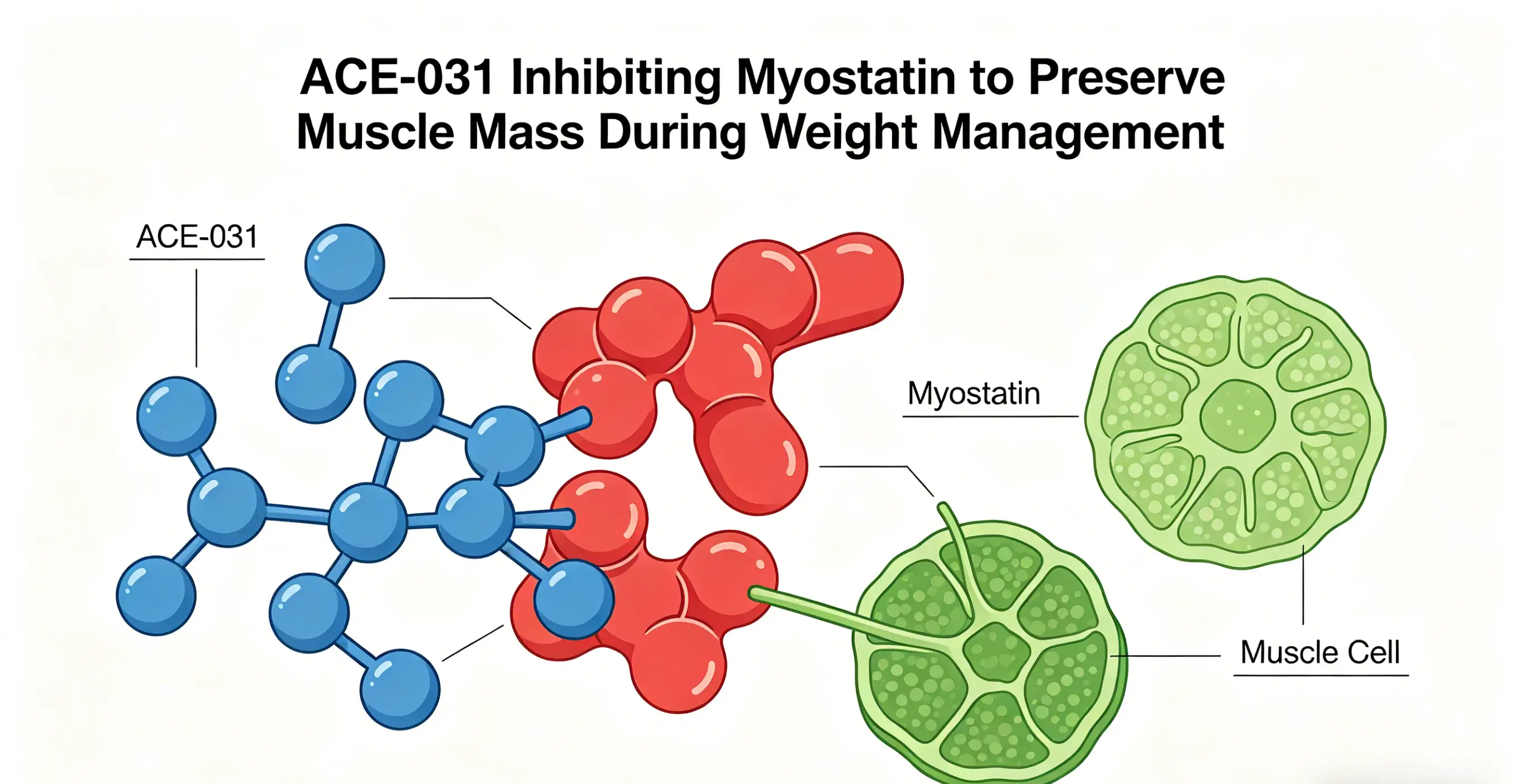
ACE-031 is a soluble activin type IIB receptor (ActRIIB) fusion protein, classified as a metabolic peptide due to its ability to regulate muscle mass and body composition—key components of metabolic health. It acts by blocking the activity of myostatin and activin A, two negative regulators of skeletal muscle growth, thereby promoting muscle hypertrophy and strength.While not a direct fat-burning peptide, ACE-031 indirectly supports metabolic health by increasing lean muscle mass, which elevates resting metabolic rate and enhances fat oxidation. In non-human primate studies, ACE-031 administration for 14 weeks significantly increased lean body mass, biceps brachii fiber cross-sectional area, and skeletal muscle contractile force—demonstrating its potential to reverse muscle wasting and improve metabolic efficiency. It is particularly relevant for research into age-related sarcopenia, metabolic syndrome, and conditions associated with muscle loss.8. AOD9604
AOD9604 is a synthetic, orally active peptide fragment of HGH, specifically designed to enhance lipolysis and fat oxidation without the adverse effects of full-length HGH. It acts by upregulating β-3 adrenergic receptors in adipose tissue, stimulating the breakdown of fat and increasing energy expenditure. Unlike intact HGH, AOD9604 does not affect serum IGF-1 levels or carbohydrate metabolism, making it a safe and targeted option for fat loss research.Clinical and preclinical studies demonstrate that AOD9604 is well-tolerated, with a safety profile indistinguishable from placebo in human trials (n = 900). It has been granted GRAS (Generally Recognized As Safe) status in the United States as a dietary supplement, supporting its potential for long-term use in metabolic research. Its oral bioavailability and lack of hormonal interference make it a valuable tool for studying lipolytic mechanisms and weight management strategies.
Peptide Synergy in Metabolic Research
One of the most exciting developments in metabolic peptide research is the use of synergistic combinations, which leverage the complementary mechanisms of different peptides to achieve more comprehensive metabolic benefits. For example:

Regulatory Context & Research Considerations
It is critical to emphasize the regulatory status of these peptides: while Tirzepatide, Semaglutide, and Retatrutide are approved by the FDA and EMA for clinical use in type 2 diabetes and obesity, many other peptides in this category (e.g., 5-Amino-1MQ, HGH Fragment 176-191, MOTS-c, ACE-031, AOD9604) are classified as Research Use Only (RUO) and are not approved for human therapeutic use. Researchers must adhere to ethical guidelines and regulatory requirements when working with these compounds.
Preclinical and clinical evidence consistently demonstrates favorable safety profiles for most metabolic peptides, with minimal acute toxicity and few significant adverse events. However, long-term studies are still needed to fully evaluate the safety and efficacy of many of these compounds, particularly in diverse populations (e.g., elderly, pregnant individuals, those with comorbidities).
Conclusion: Peptides as the Future of Metabolic Health
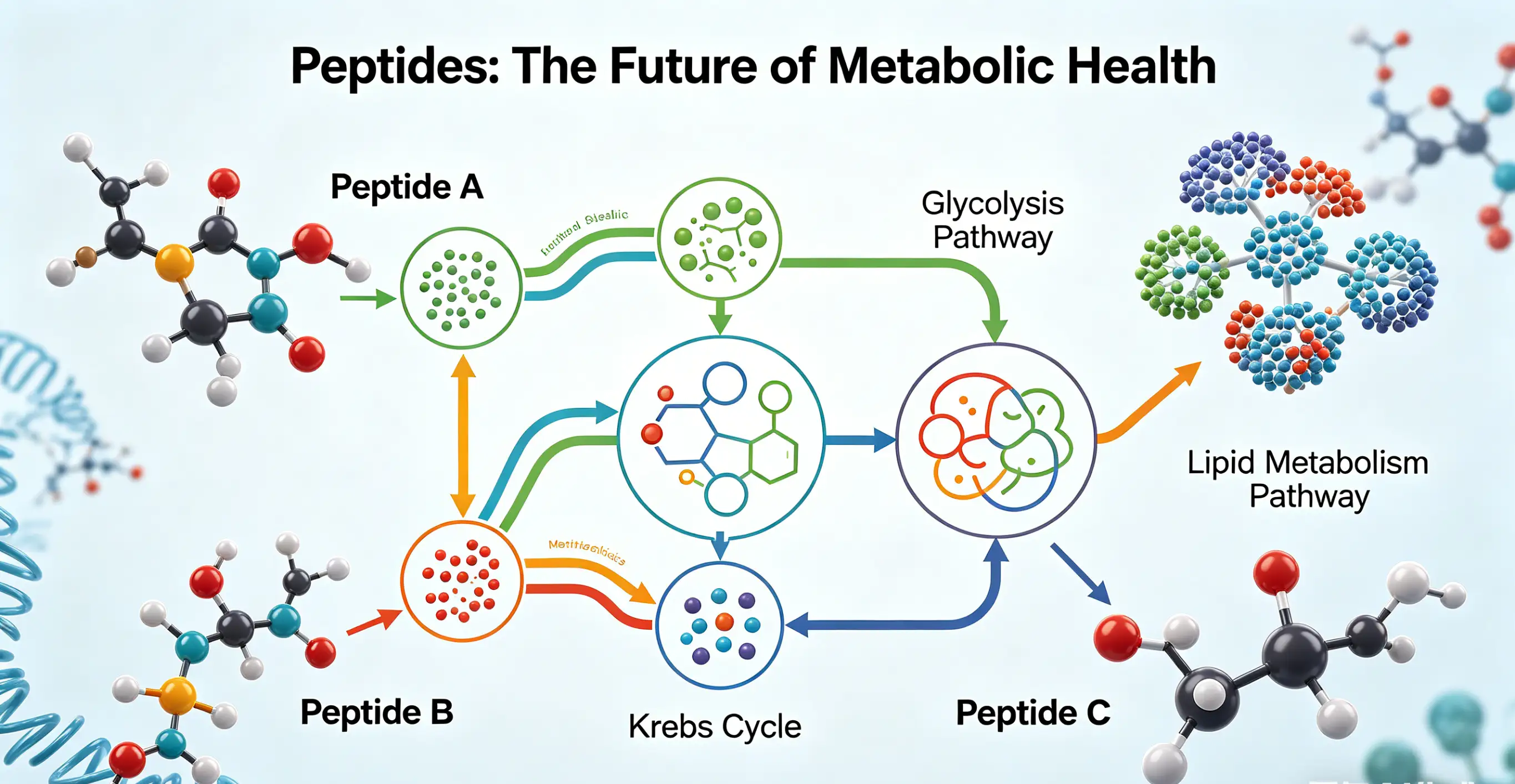
Metabolic peptides represent a paradigm shift in weight management and metabolic health research, offering targeted, physiological interventions that address the root causes of metabolic dysfunction—rather than just symptom management. From dual and triple gut hormone agonists (Tirzepatide, Retatrutide, Semaglutide) to mitochondrial regulators (5-Amino-1MQ, MOTS-c) and muscle-preserving agents (ACE-031), these peptides provide a diverse toolkit for researchers and clinicians seeking to optimize metabolic health.
As research advances, the potential for personalized peptide-based strategies continues to grow—tailoring interventions to individual metabolic profiles, genetic factors, and health goals. With their high specificity, favorable safety profiles, and ability to target multiple metabolic pathways, peptides are poised to become a cornerstone of modern metabolic medicine, offering new hope for addressing the global burden of obesity and metabolic syndrome.
