Oxytocin Acetate

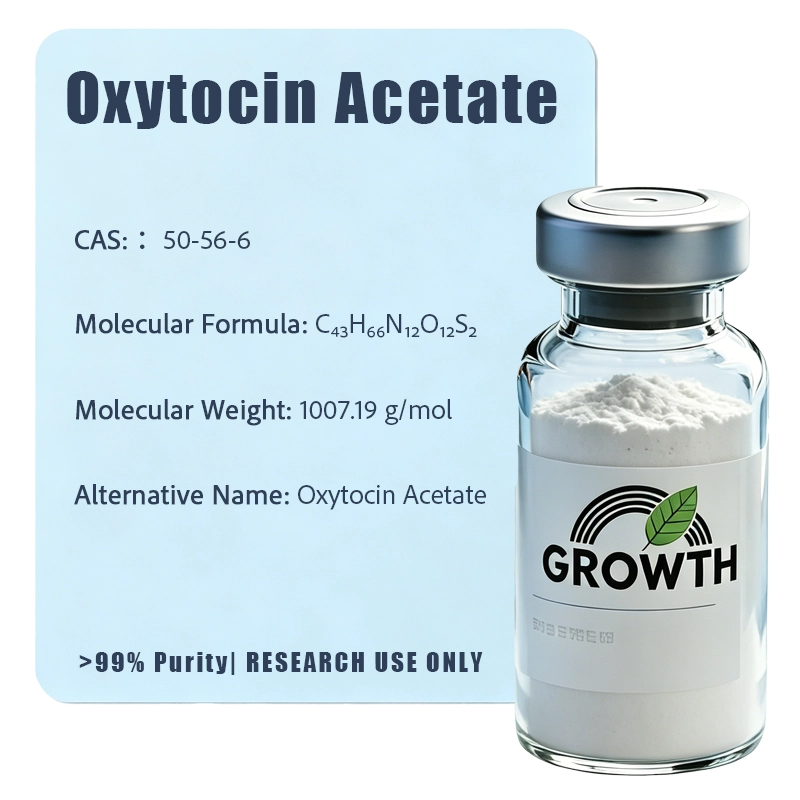
Oxytocin Acetate is a synthetic, stabilized acetate salt form of the endogenous neuropeptide hormone oxytocin, a nonapeptide consisting of nine amino acids with a critical disulfide bridge.
2mg*10vials $50 10mg*10vials $110
5mg*10vials $90


Product Information

What is Oxytocin Acetate?

 
Oxytocin Acetate is a synthetic, stabilized acetate salt form of the endogenous neuropeptide hormone oxytocin, a nonapeptide consisting of nine amino acids with a critical disulfide bridge.
 
Endogenous oxytocin is produced in the hypothalamus and released from the posterior pituitary gland. The acetate formulation improves solubility, stability, and shelf life for clinical and research use.
 
Oxytocin is widely known as:
 
  • A key reproductive hormone
  • The “bonding hormone” or “social hormone”
  • A modulator of emotion, stress, pain, and inflammation

Basic Properties

  • CAS Number: 6233-83-6 (acetate); 50-56-6 (base)
  • Molecular Weight: ~1067 Da
  • Structure: Cyclic nonapeptide with Cys¹–Cys⁶ disulfide bond
  • Half-life: ~1–6 minutes intravenously; ~30–60 minutes intramuscularly
  • Routes: Injection, intranasal spray (research/clinical)
  • Regulatory status: Approved prescription medication worldwide

Target Population & Applications


Approved Clinical Uses

  • Induction or augmentation of labor in term pregnancy
  • Prevention and treatment of postpartum hemorrhage due to uterine atony
  • Uterine involution after delivery or abortion
  • Oxytocin challenge test (OCT) to assess fetal well-being
  • Promotion of milk ejection in breastfeeding mothers

Research & Off-Label Uses

  • Autism spectrum disorder (ASD): improving social cognition and interaction
  • Social anxiety, PTSD, and depression: reducing fear and enhancing trust
  • Chronic pain, fibromyalgia, and pelvic pain
  • Inflammatory conditions, sepsis, and immune dysregulation
  • Eating disorders and stress-related overeating
  • Male sexual dysfunction and libido modulation

Contraindications

  • Hypersensitivity to oxytocin or excipients
  • Cephalopelvic disproportion, malpresentation, transverse lie
  • History of uterine rupture or significant uterine surgery (scarred uterus)
  • Fetal distress, cord prolapse, placenta previa, or abruptio placentae
  • Concurrent use of strong prostaglandins without adequate interval

Mechanism of Action

 
Oxytocin acts through oxytocin receptors (OXTR), G-protein-coupled receptors expressed widely in the uterus, mammary glands, brain, immune cells, and other tissues.
 

Uterine Contraction

  • Activates OXTR in myometrial cells
  • Increases intracellular calcium via IP3 signaling
  • Induces rhythmic, forceful uterine smooth muscle contraction
  • OXTR density increases dramatically at term, enabling strong responsiveness

Milk Ejection

  • Contracts myoepithelial cells around mammary alveoli
  • Promotes milk release (does not increase milk production)

Central Nervous System Effects

  • Reduces activity in the amygdala (fear, anxiety, stress)
  • Enhances activity in the prefrontal cortex and reward pathways
  • Improves social recognition, trust, empathy, and emotional bonding
  • Modulates dopamine, serotonin, and GABA systems

Anti-Inflammatory & Immunomodulatory Actions

  • Inhibits pro-inflammatory cytokines: TNF‑α, IL‑6, IL‑1β
  • Stimulates anti-inflammatory IL‑10
  • Modulates Treg/Th17 balance
  • Reduces neuroinflammation and oxidative stress

Associated Products

Related Experimental Studies