Tesamorelin
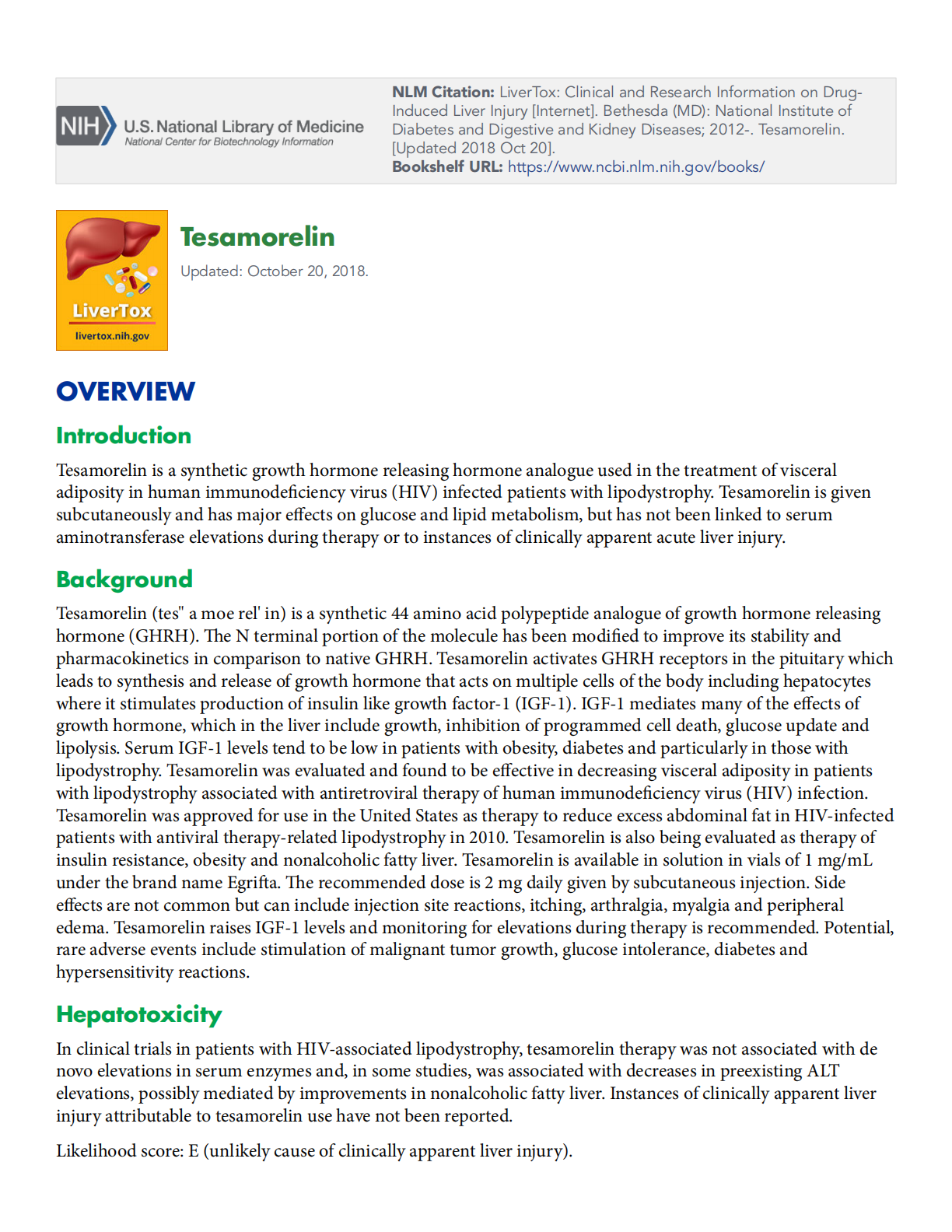
Tesamorelin is a synthetic, 44-amino-acid GHRH analog (growth hormone–releasing hormone agonist) with enhanced stability and prolonged action. It functions by stimulating endogenous pulsatile secretion of growth hormone (GH) from the anterior pituitary gland, thereby increasing circulating insulin-like growth factor 1 (IGF-1) levels.
| 2mg*10vials | $60 | 10mg*10vials | $215 |
| 5mg*10vials | $105 | 20mg*10vials | $369 |
Product Information
What is Tesamorelin?
Tesamorelin is a synthetic analog of growth hormone-releasing hormone (GHRH), designed to mimic the function of endogenous GHRH. Unlike natural GHRH, which is easily degraded by enzymes in the body, tesamorelin has undergone structural modification to resist enzymatic hydrolysis, extending its duration of action in the body. It is a white to off-white lyophilized powder, usually administered by subcutaneous injection, and is widely used in the clinical management of metabolic disorders and age-related physiological declines.
Who can benefit from Tesamorelin?
- Adults with HIV-associated lipodystrophy: The core indication is patients with abnormal fat distribution caused by HIV infection, especially those with excessive visceral adipose tissue (VAT), which is manifested by abdominal obesity, abnormal lipid metabolism, and other symptoms.
- Patients with age-related metabolic decline: Middle-aged and elderly people with decreased growth hormone secretion, accompanied by loss of lean body mass, increased visceral fat, and reduced physical function.
- Patients with metabolic disorders: Those with abnormal lipid metabolism (such as elevated triglycerides), insulin resistance, and non-alcoholic fatty liver disease (NAFLD) caused by abnormal fat accumulation.
- Individuals with body composition disorders: Patients with imbalanced body composition, such as excessive visceral fat and reduced lean body mass, who need to adjust their body shape and improve metabolic health.
Mechanism of Action
Tesamorelin exerts its effects by specifically binding to GHRH receptors on the anterior pituitary gland, thereby triggering the pulsatile secretion of endogenous growth hormone (GH):
- Receptor binding: It binds specifically to GHRH receptors on pituitary cells, activating intracellular signaling pathways, and promoting the synthesis and release of GH in a physiological pulsatile manner (consistent with the body’s natural GH secretion rhythm).
- Regulation of GH secretion: Unlike exogenous growth hormone supplementation, tesamorelin stimulates the body’s own pituitary to secrete GH, avoiding the side effects caused by supraphysiological GH levels.
- Metabolic regulation: The increased GH and subsequent elevated insulin-like growth factor 1 (IGF-1) levels can promote lipolysis of visceral fat, reduce the accumulation of visceral adipose tissue, while protecting and increasing lean body mass.
- Secondary effects: It can improve lipid metabolism (reduce triglycerides and low-density lipoprotein), alleviate hepatic steatosis, and improve insulin sensitivity, thereby helping to correct metabolic disorders.
Important Warnings & Contraindications
- Contraindications: It is contraindicated in pregnant women, lactating women, patients with active malignant tumors, and those with proliferative diabetic retinopathy; it is also contraindicated in patients with hypersensitivity to any component of tesamorelin.
- Safety monitoring: During use, it is necessary to regularly monitor the levels of IGF-1 (to avoid excessive elevation), blood glucose (especially for patients with diabetes), and liver and kidney function; if IGF-1 levels are too high, the dosage should be adjusted or the medication should be discontinued.
- Adverse reaction management: Common adverse reactions include injection site redness, swelling, and pain, joint pain, muscle soreness, flushing, and peripheral edema; if severe adverse reactions (such as severe allergic reactions, abnormal blood glucose fluctuations) occur, the medication should be discontinued immediately and medical treatment should be sought.
- Dosage and administration: It should be administered subcutaneously, and the dosage should be strictly followed as directed by the doctor; it is not recommended to adjust the dosage or frequency of administration without authorization.
- Storage requirements: It should be stored in a cool, dry, and dark environment, and should not be used after the expiration date; the reconstituted solution should be used as soon as possible to avoid bacterial contamination.
- Drug interactions: It is not recommended to use it concurrently with other growth hormone preparations or drugs that affect GH secretion (such as glucocorticoids), so as to avoid excessive GH levels and related side effects.