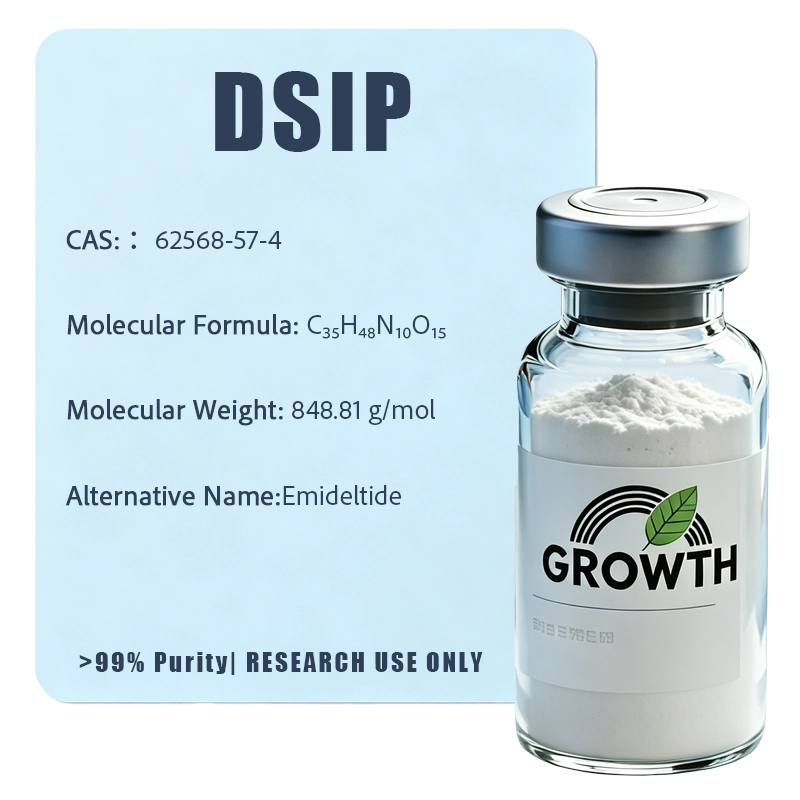
DSIP
DSIP (Delta Sleep-Inducing Peptide) is an endogenous, naturally occurring nonapeptide (9 amino acids) first isolated from the brain and cerebrospinal fluid of mammals. It is a central regulatory neuropeptide that modulates sleep architecture, stress response, circadian rhythm, and neuroendocrine function.
| 2mg*10vials | $40 | 5mg*10vials | $50 |
Product Information
What is DSIP?
DSIP (Delta Sleep-Inducing Peptide) is an endogenous, naturally occurring nonapeptide (9 amino acids) first isolated from the brain and cerebrospinal fluid of mammals. It is a central regulatory neuropeptide that modulates sleep architecture, stress response, circadian rhythm, and neuroendocrine function.
Core Physicochemical Properties
- Full Name: Delta Sleep-Inducing Peptide
- Sequence: Trp‑Ala‑Gly‑Gly‑Asp‑Ala‑Ser‑Gly‑Glu
- CAS Number: 62568‑57‑4
- Molecular Formula: C₃₅H₄₉N₉O₁₅
- Molecular Weight: ~823.8 Da
- Endogenous Location: Hypothalamus, limbic system, pineal gland
- Half-life: Very short in circulation (~3–9 minutes), but produces long‑lasting regulatory effects via gene expression and receptor modulation
- Pharmacological Category: Central neuromodulator, sleep regulator, adaptogen, neuroprotective peptide
Biological Identity
DSIP is not a sedative or hypnotic drug. It is a physiological sleep regulator that promotes natural, restful sleep by increasing delta wave (slow‑wave sleep) activity. It also acts as an endogenous stress‑protective peptide that normalizes disrupted neuroendocrine and circadian systems.
Target Population & Clinical/Research Applications
Primary Target Groups
- Individuals with sleep disorders
- Insomnia (difficulty falling asleep, frequent nighttime awakenings)
- Non‑restorative sleep, poor sleep quality
- Circadian rhythm disruption (jet lag, shift work sleep disorder)
- Chronic stress and anxiety sufferers
- High psychological stress, burnout, fatigue
- Anxiety‑related sleep disturbance
- Stress‑induced hormonal imbalance (elevated cortisol)
- Neuroendocrine dysregulation
- Abnormal cortisol rhythm (morning fatigue, evening hyperarousal)
- Mild hypothalamic‑pituitary‑adrenal (HPA) axis dysfunction
- Post‑traumatic or post‑surgical stress response
- Cognitive fatigue and brain fog
- Mental exhaustion, poor concentration, memory lapses
- Chronic fatigue syndrome (CFS)
- Age‑related cognitive slowdown
- Recovery support
- Post‑exercise overtraining syndrome
- Post‑illness / post‑COVID fatigue
- Post‑surgical recovery
Mechanism of Action (Molecular & Neurophysiological)
DSIP acts as a central neuromodulator with multiple coordinated pathways:
1. Sleep Regulation (Core Mechanism)
- Enhances delta‑wave activity (slow‑wave, deep sleep) in the brain
- Promotes natural sleep architecture without artificial sedation
- Increases the duration and quality of restorative sleep
- Does not induce hypnosis or chemical sedation
2. HPA Axis Modulation & Stress Control
- Normalizes cortisol secretion rhythm
- Reduces excessive stress‑induced cortisol elevation
- Restores balance between catabolic (stress) and anabolic (recovery) processes
- Acts as an endogenous adaptogen against chronic stress
3. Neurotransmitter Balance
- Modulates GABA, serotonin, norepinephrine, and dopamine systems
- Reduces central nervous system hyperarousal
- Stabilizes excitatory/inhibitory neurotransmission
- Supports calmness without drowsiness
4. Neuroprotective & Anti‑Oxidative Effects
- Reduces lipid peroxidation and free radical damage
- Protects neurons from excitotoxicity and hypoxic injury
- Supports mitochondrial function and cellular recovery
- May upregulate endogenous antioxidant systems
5. Neuroendocrine Regulation
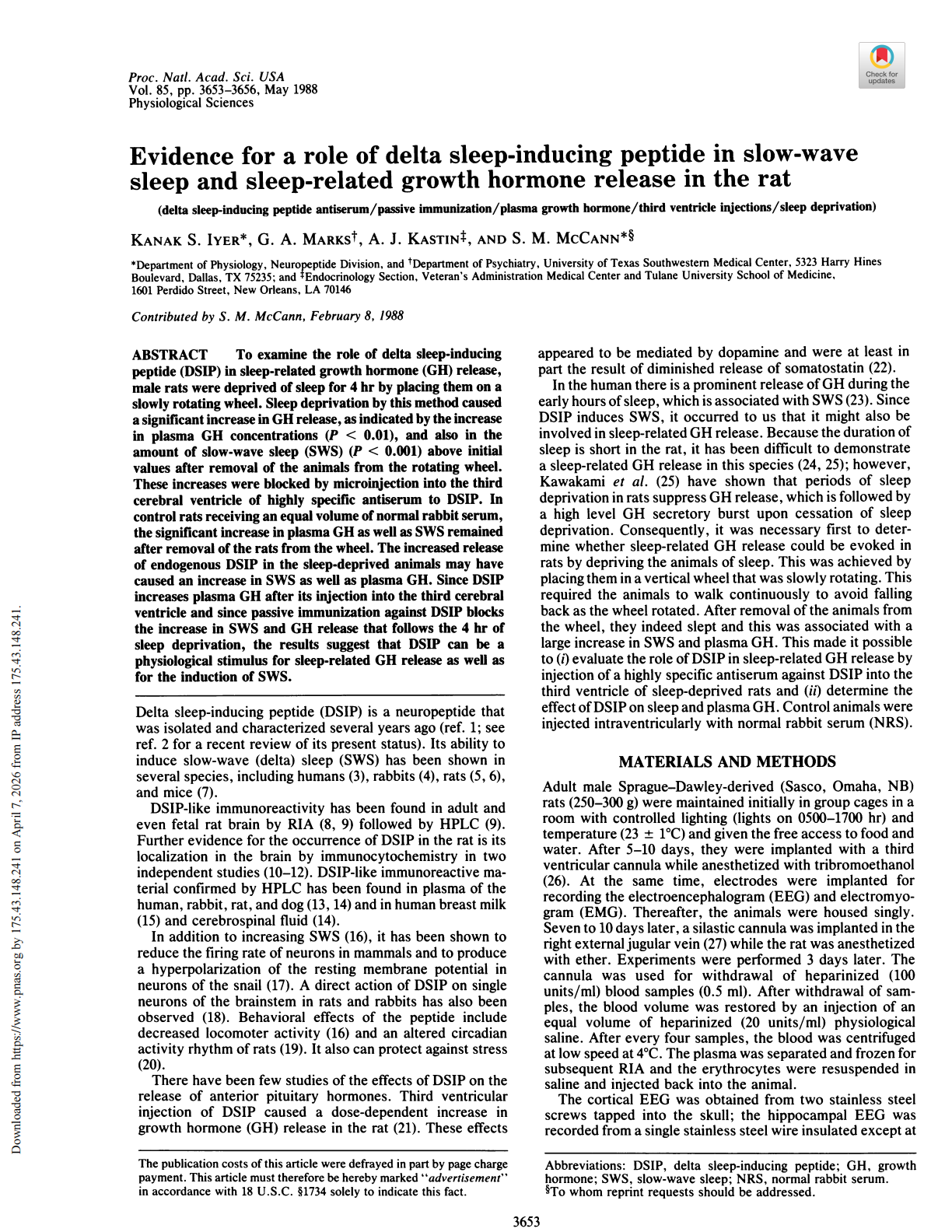
- Modulates release of growth hormone, melatonin, and luteinizing hormone
- Supports anabolic recovery processes
- Helps restore disrupted circadian endocrine rhythms