Adamax
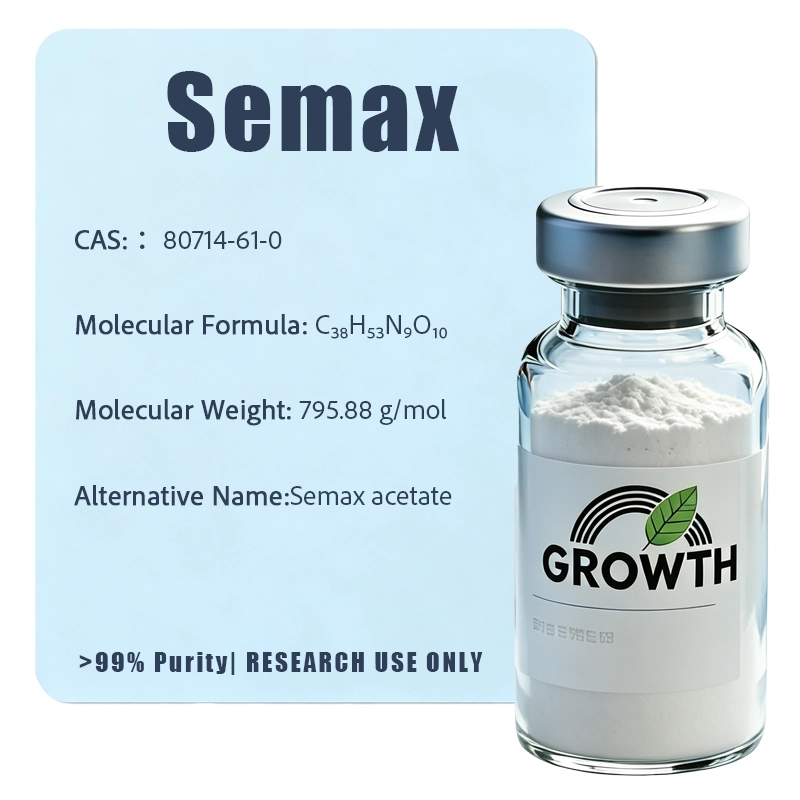
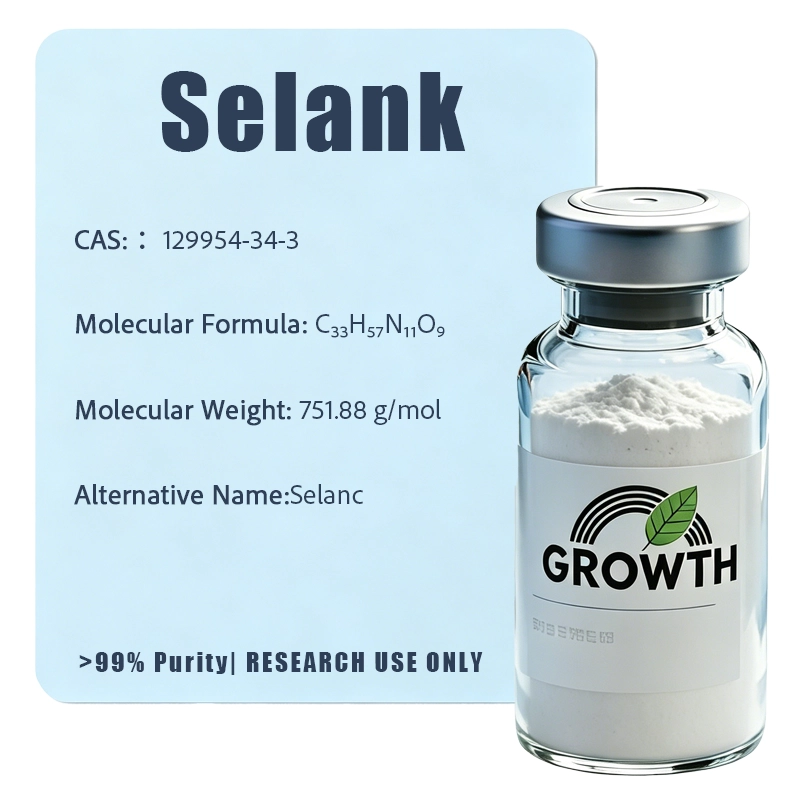
Adamax is a synthetic, modified nootropic peptide and a structurally optimized derivative of Semax (an ACTH (4–7) analog originally developed in Russia). It features two key molecular modifications: N-terminal acetylation and C-terminal adamantane group conjugation. These enhancements drastically improve its stability, lipophilicity, blood-brain barrier (BBB) penetration, and biological half-life compared to the parent compound Semax.
| 5mg*10vials | $70 | 10mg*10vials | $110 |
Product Information
Mechanism of Action
Adamax modulates the CNS via multiple pathways, focusing on neurotrophic support, neurotransmitter balance, and neuroprotection:
A. Enhanced BBB Penetration: Its adamantane moiety increases lipophilicity, enabling efficient passive diffusion across the BBB (superior to Semax), lowering effective doses and boosting CNS bioavailability.
B. Core BDNF/TrkB Pathway: Potently upregulates BDNF in key cognitive regions (hippocampus, cortex), enhances TrkB receptor sensitivity, and improves synaptic plasticity, neurogenesis, and cognitive recovery.
C. Neurotransmitter Modulation: Modulates dopamine/norepinephrine (boost focus/energy), slightly enhances serotonin (mood/anxiety relief), and mildy regulates GABA (prevents overexcitation).
D. Neuroprotection: Upregulates antioxidants (SOD, catalase) to reduce ROS, suppresses microglial activation and pro-inflammatory cytokines (TNF-α, IL-6), and stabilizes neuronal microtubules.
E. HPA Axis Regulation: Modulates CRH/ACTH signaling to reduce excessive cortisol during chronic stress, preventing stress-induced cognitive impairment.
Important Warnings & Safety Considerations
1. Safety & Tolerability (Preclinical Data)
- Generally Well-Tolerated: In research models, acute toxicity is very low; therapeutic index is high.
- Common Mild Side Effects (Anecdotal/Preclinical):
- CNS: Mild headache, transient insomnia, irritability, or restlessness (dose-dependent).
- Local: Nasal irritation (intranasal administration), mild injection site reaction.
- Systemic: Slight elevation in blood pressure/heart rate (rare at standard doses).
2.Dosing & Administration (Research Guidelines)
- Intranasal (Most Common): 100–500 mcg/day, split into 1–2 doses (e.g., morning/noon).
- Subcutaneous Injection: 500 mcg–1 mg/day (less common, higher bioavailability).
- Cycling: Use 4–6 weeks, then 2–4 week break to prevent desensitization and maintain responsiveness.