VIP
VIP (Vasoactive Intestinal Peptide) is a 28‑amino‑acid endogenous neuropeptide and hormone, belonging to the secretin‑glucagon superfamily. It is widely expressed in the central nervous system, peripheral neurons, gastrointestinal tract, lungs, immune cells, and cardiovascular system, acting as a key regulator of neuro‑immune‑endocrine homeostasis.
| 5mg*10vials | $96 | 10mg*10vials | $161 |
Product Information
What is VIP?
VIP (Vasoactive Intestinal Peptide) is a 28‑amino‑acid endogenous neuropeptide and hormone, belonging to the secretin‑glucagon superfamily. It is widely expressed in the central nervous system, peripheral neurons, gastrointestinal tract, lungs, immune cells, and cardiovascular system, acting as a key regulator of neuro‑immune‑endocrine homeostasis.
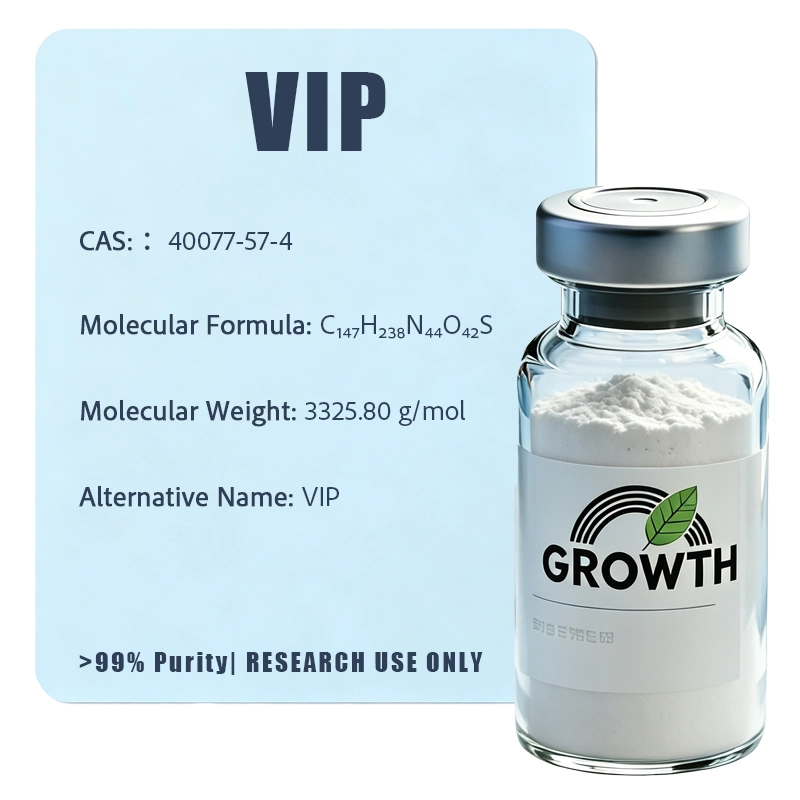
- Receptors: VPAC1, VPAC2 (G‑protein coupled receptors)
- Molecular weight: ~3.3 kDa
- Half‑life: Very short (minutes) in circulation
- Signaling: Mainly via cAMP / PKA / CREB pathway
- Regulatory roles: Vasodilation, anti‑inflammation, neuroprotection, smooth muscle relaxation, immune modulation
Target Population & Research Applications
- Inflammatory & autoimmune diseases: Rheumatoid arthritis, multiple sclerosis, IBD (Crohn’s / UC), psoriasis
- Respiratory disorders: Asthma, COPD, pulmonary hypertension
- Gastrointestinal dysfunction: Gastroparesis, IBS, achalasia, intestinal hypomotility
- Neurological conditions: Ischemic stroke, TBI, neurodegeneration, cognitive decline
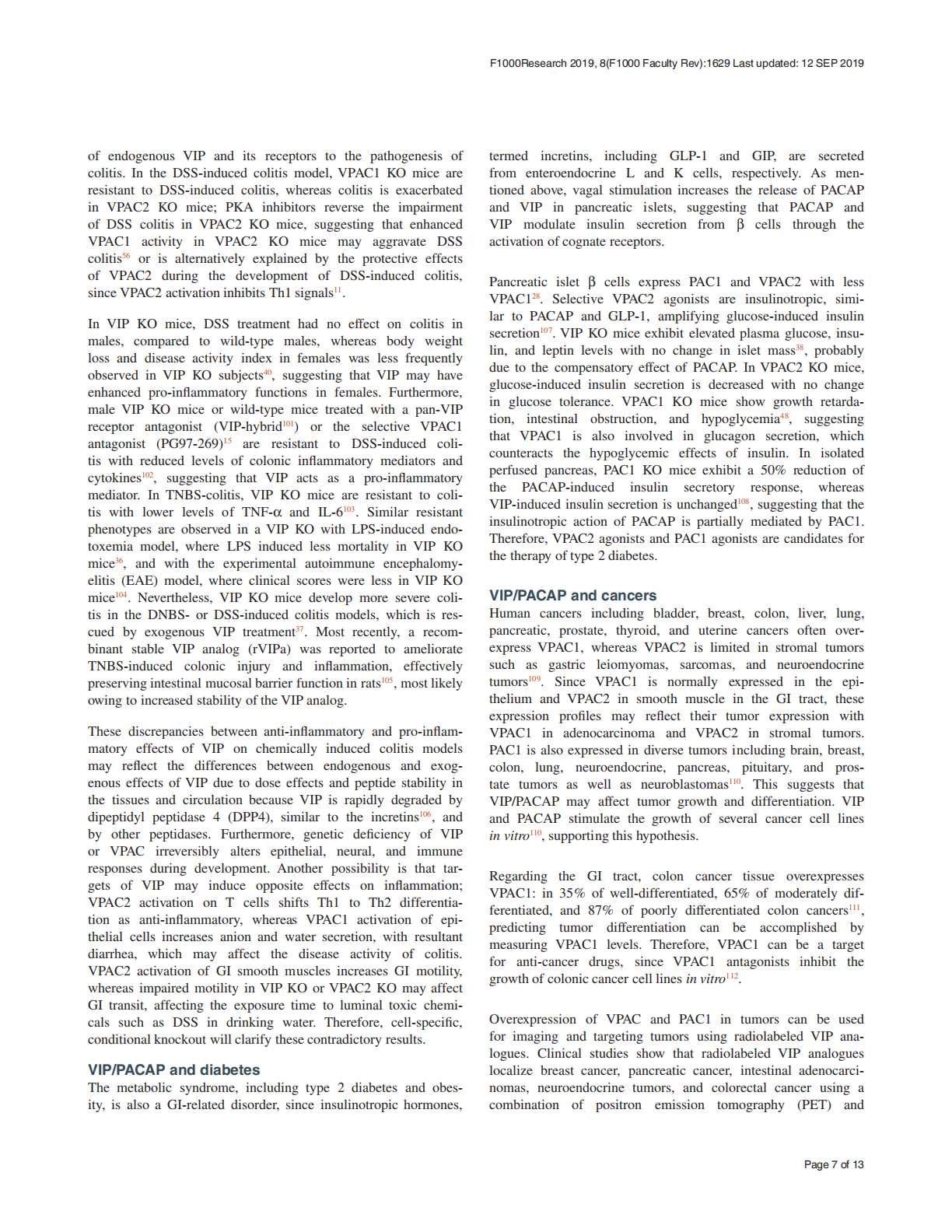
- Metabolic disorders: Type 2 diabetes, insulin resistance
- Circulatory issues: Shock, visceral ischemia, hypertension
Mechanism of Action
- Vasodilation: Activates endothelial VPAC receptors → increases cAMP → relaxes vascular smooth muscle → powerful vasodilatory effect.
- Anti‑inflammatory immunity: Inhibits NF‑κB, reduces TNF‑α, IL‑6, IL‑1β; promotes IL‑10 and Treg cells; suppresses microglia and macrophage overactivation.
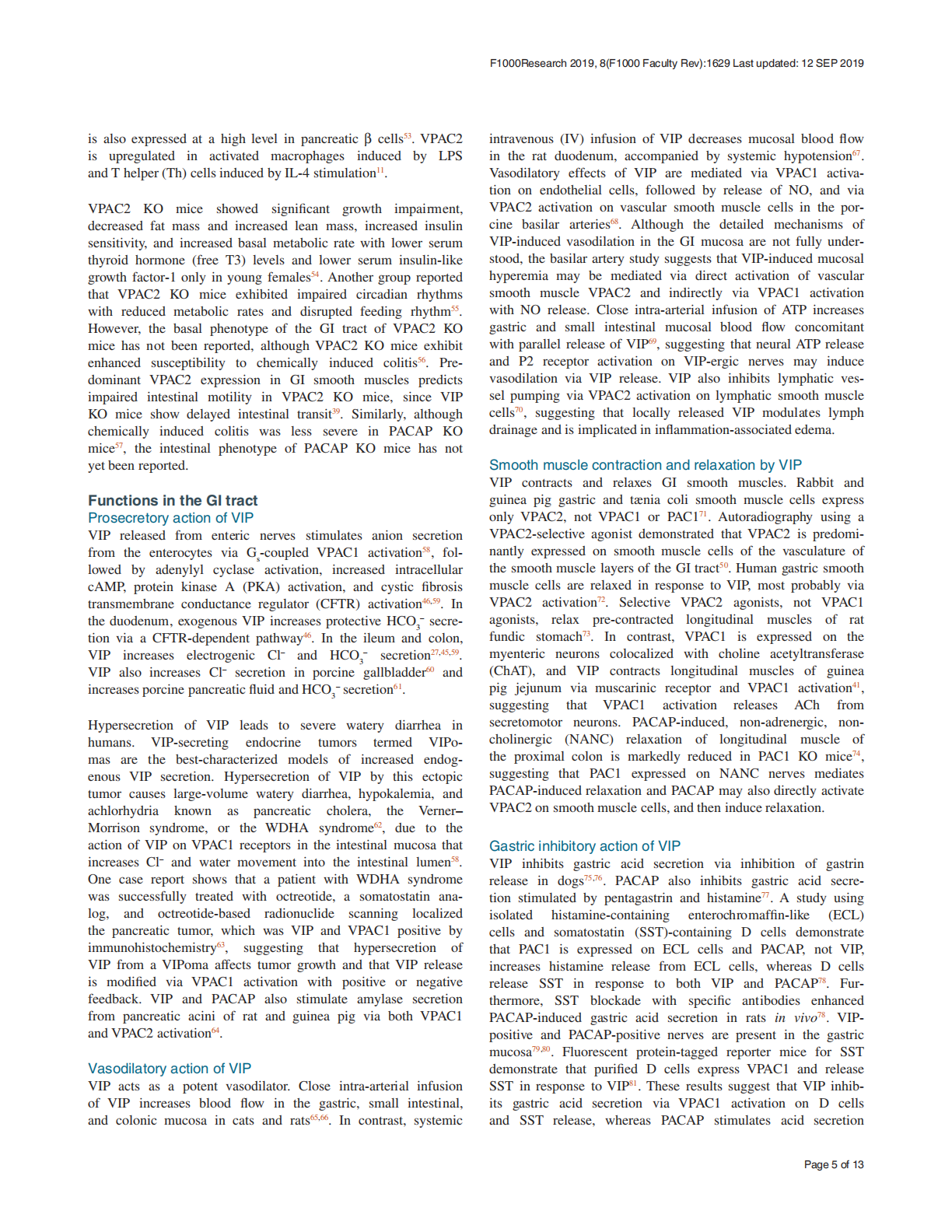
- Gastrointestinal regulation: Inhibits gastric acid secretion, relaxes smooth muscle, promotes intestinal blood flow, supports mucosal integrity.
- Neuroprotection: Reduces neuronal apoptosis, enhances antioxidant activity, supports synaptic function and neurogenesis.
- Metabolic action: Modulates insulin secretion, improves β‑cell function, supports glucose homeostasis.
- HPA axis modulation: Reduces excessive stress‑induced cortisol release.