MT-2 (Melanotan 2 Acetate)

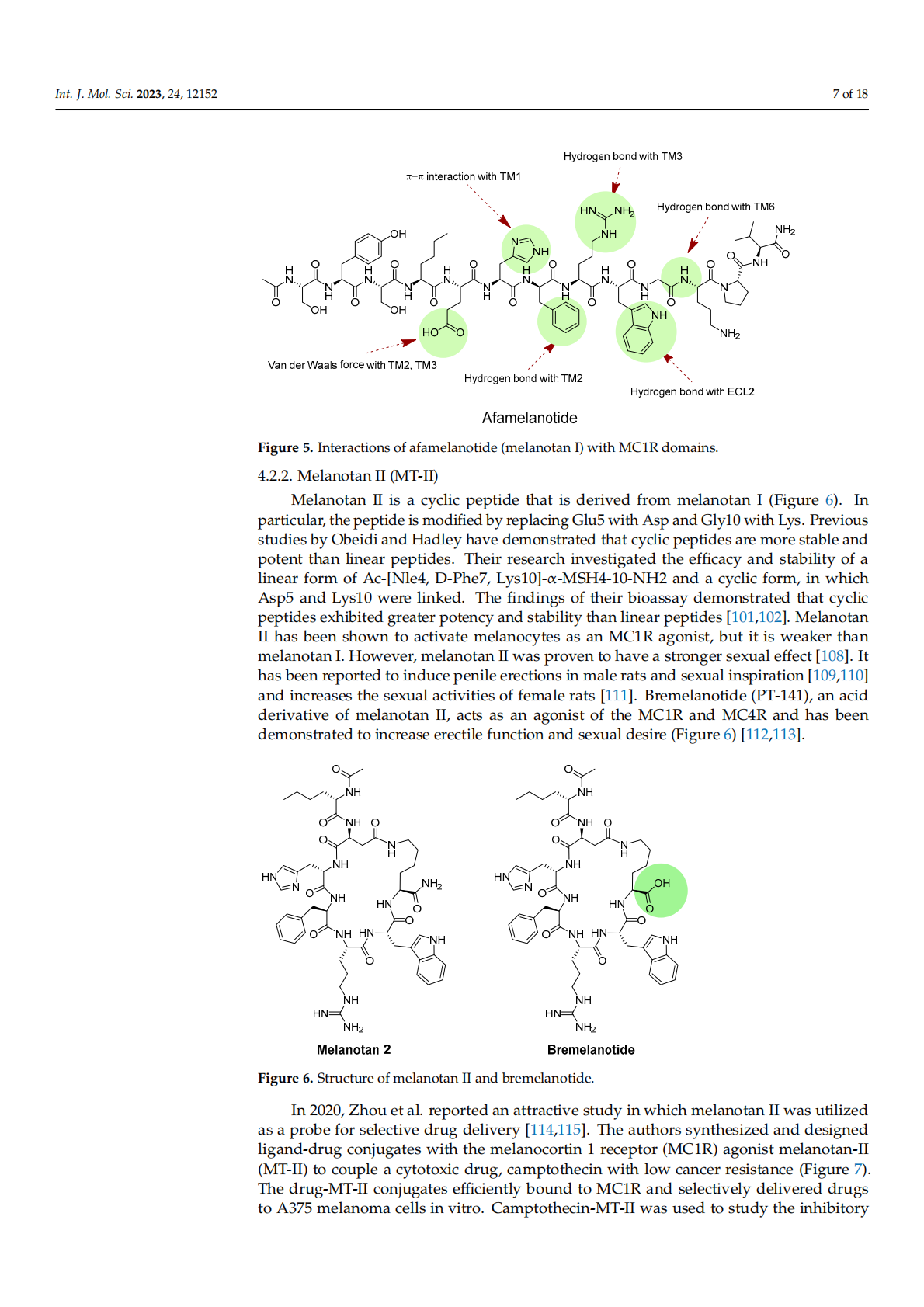
Melanotan II (MT-II, MT-2) is a synthetic, cyclic heptapeptide analog of endogenous α-melanocyte-stimulating hormone (α-MSH), engineered for enhanced potency, metabolic stability, and blood–brain barrier (BBB) penetration. Developed in the 1990s at the University of Arizona, it acts as a non-selective agonist at melanocortin receptors (MC1R, MC3R, MC4R, MC5R) and is widely used as a research tool; it is not approved by any regulatory agency for human use.
10mg*10vials $59

Product Information

What is Melanotan II?

 
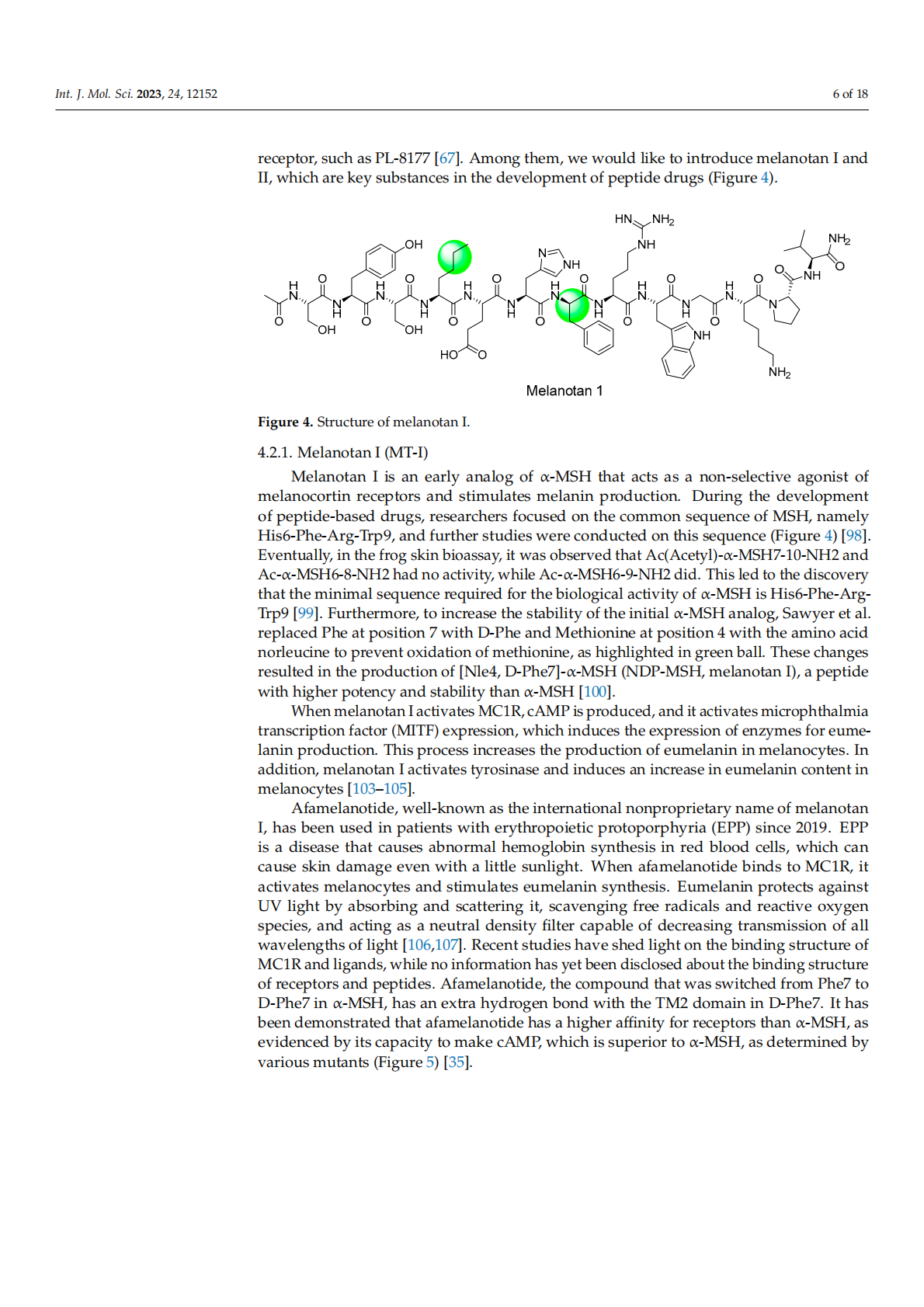
Melanotan II (MT-II) is a synthetic cyclic peptide analog of the natural α‑melanocyte‑stimulating hormone (α‑MSH). It was originally developed to stimulate skin tanning and photoprotection, but also exerts strong central effects on sexual function, appetite, and energy metabolism.
 
It is a potent non‑selective agonist at melanocortin receptors, especially MC1R, MC3R, MC4R, and MC5R. Unlike Melanotan I, MT-II easily crosses the blood–brain barrier and produces widespread central and peripheral effects.
 
  • CAS Number: 169332‑61‑0
  • Molecular Weight: ~1024 Da
  • Structure: Cyclic heptapeptide with a lactam bridge
  • Half‑life: Approximately 30 minutes

Target Population & Research Applications

 
MT-II is used exclusively in preclinical and research settings. Investigated areas include:
 
  • Sunless tanning and photoprotection
     
    Stimulates melanin production to darken skin without UV exposure, potentially reducing sun damage risk.
     
  • Sexual function research
     
    Studied for erectile response and enhanced sexual desire; closely related to bremelanotide (PT‑141), an approved drug for sexual dysfunction.
     
  • Appetite and weight regulation
     
    Acts on hypothalamic MC4R to reduce food intake and increase energy expenditure in animal models.
     
  • Anti‑inflammatory and tissue protective effects
     
    Modulates immune activity through MC3R and MC5R pathways.

Mechanism of Action

 
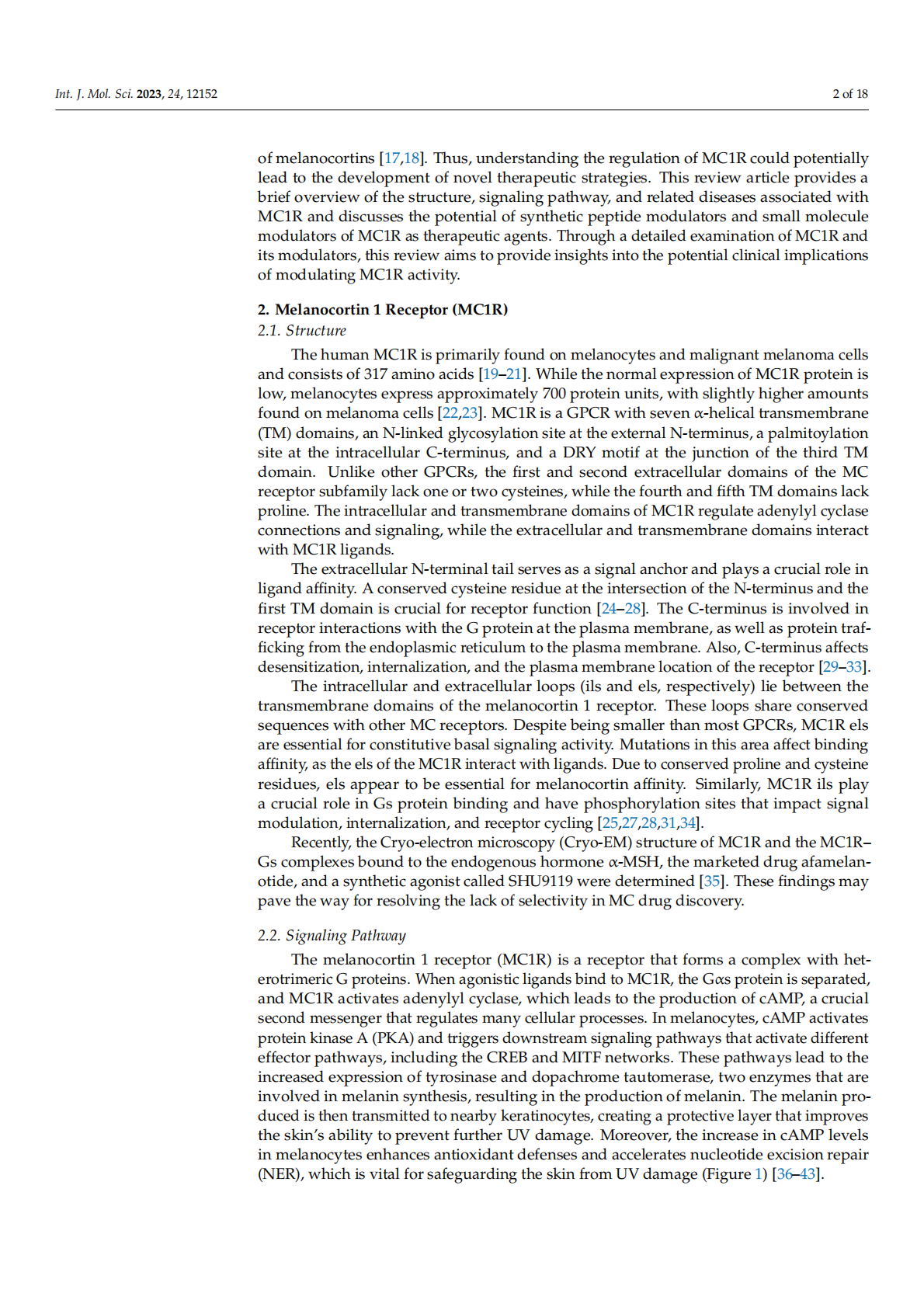
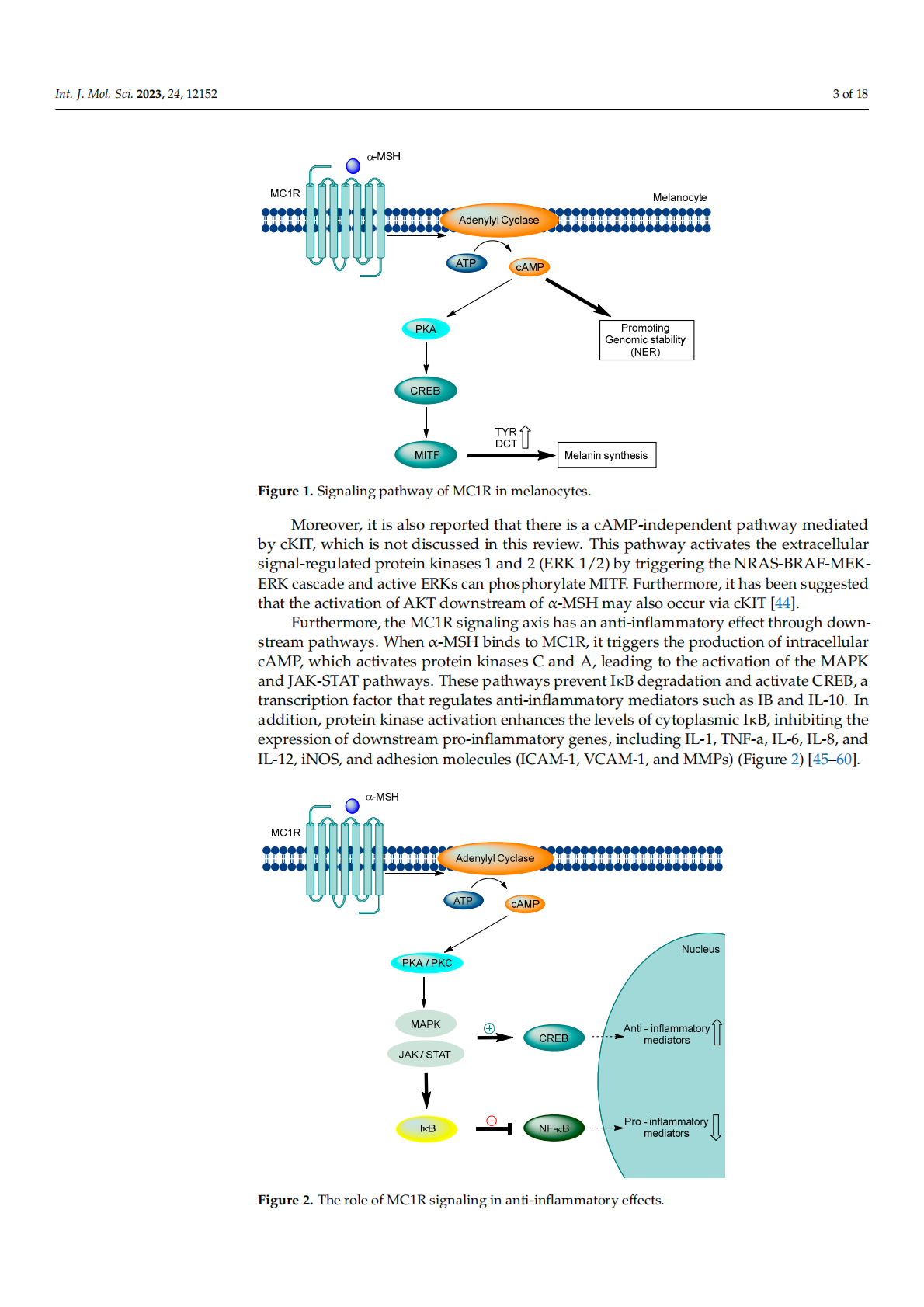
Melanotan II acts by activating melanocortin receptors (G protein‑coupled receptors) throughout the body and brain.

Skin pigmentation 

  • Binds MC1R on melanocytes in the skin
  • Increases cAMP and activates PKA signaling
  • Upregulates MITF, the master transcription factor for melanin production
  • Boosts tyrosinase and related enzymes
  • Increases synthesis and transfer of melanin granules → skin darkening and photoprotection

Central nervous system effects (MC3R / MC4R)

  • Crosses the blood–brain barrier to act in the hypothalamus and limbic system
  • MC4R activation reduces appetite and increases energy expenditure
  • Modulates dopamine and nitric oxide pathways to enhance sexual arousal and erectile response

Anti‑inflammatory action

  • Inhibits NF‑κB and pro‑inflammatory cytokines such as TNF‑α and IL‑6
  • Reduces immune cell overactivation in inflammatory models

Associated Products

Related Experimental Studies